
Books Like Dune: 12 Epic Fantasy Reads with Faith, Power and Prophecy
If you loved Dune for its desert power struggles, prophetic figures and spiritual questions, start with Hyperion, The City of Brass or Twelve Kings in…
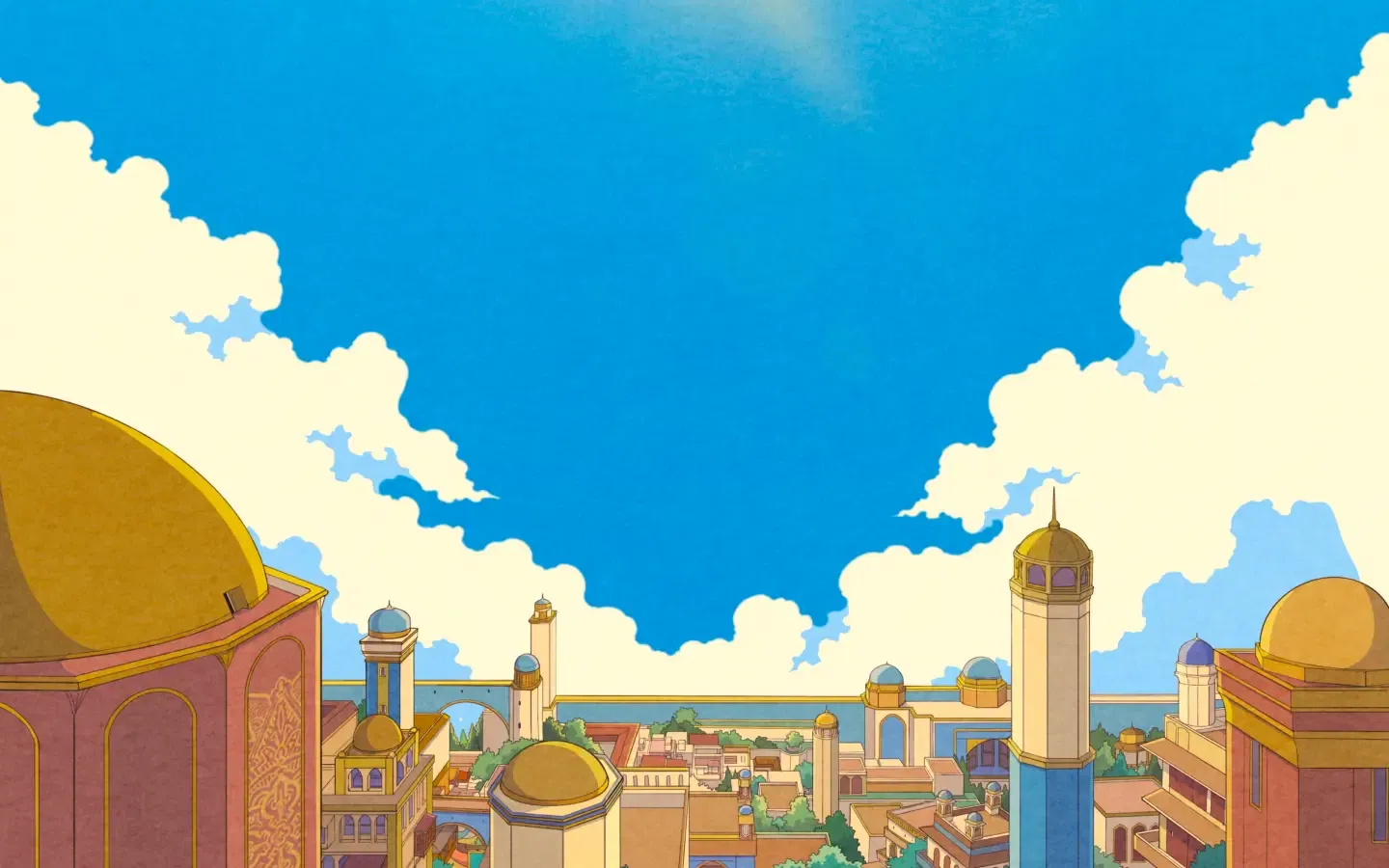
If you loved Dune for its desert power struggles, prophetic figures and spiritual questions, start with Hyperion, The City of Brass or Twelve Kings in Sharakhai. For a different kind of sweeping world, try The Lord of the Rings or The Left Hand of Darkness; and if you’re looking for fantasy with Islamic cosmology, Tales of Khayaal: Arön offers a distinctive new universe to explore.
These recommendations aren’t all “Dune, but with the serial numbers filed off”. Some echo its political intrigue; others share its interest in faith, ecology, empire or the weight of prophecy.
| Book | Author | Why it’s like Dune | Best for |
|---|---|---|---|
| Dune Messiah | Frank Herbert | Follows the political and religious consequences of Paul’s rise | Staying on Arrakis |
| The Lord of the Rings | J. R. R. Tolkien | Prophecy, power and moral choices on an epic scale | Mythic worldbuilding |
| Hyperion | Dan Simmons | Pilgrimage, rival beliefs and visions of the future | Philosophical space opera |
| The Left Hand of Darkness | Ursula K. Le Guin | A strange world shaped by climate, culture and politics | Ecology and cultural discovery |
| A Memory Called Empire | Arkady Martine | Imperial power and identity seen through diplomacy | Court intrigue in space |
| Foundation | Isaac Asimov | A vast civilisation faces collapse and uncertain futures | Long-view science fiction |
| The City of Brass | S. A. Chakraborty | Desert setting, court politics and contested power | Djinn and hidden cities |
| The Jasmine Throne | Tasha Suri | Empire, faith and resistance collide | Spiritual, character-led fantasy |
| Children of Blood and Bone | Tomi Adeyemi | A threatened magical tradition fuels rebellion | Fast-paced epic fantasy |
| The Traitor Baru Cormorant | Seth Dickinson | A brilliant outsider confronts empire from within | Political and moral complexity |
| Twelve Kings in Sharakhai | Bradley P. Beaulieu | Desert city, immortal rulers and forbidden history | Desert fantasy and rebellion |
| Tales of Khayaal: Arön | Rehan Khan and Peter Gould | Spiritual power, prophecy and an empire in crisis | Islamic-inspired fantasy and sci-fi |
1. Dune Messiah by Frank Herbert
The most direct next step is the second Dune novel. Rather than repeating Paul’s rise, Herbert asks what happens when a revolutionary figure becomes the centre of a religious movement, and when political power cannot be separated from the myth built around it. It’s a compact, uneasy look at the dangers of prophecy fulfilled.
Read it if you loved: Dune’s warnings about charismatic leaders and movements that outgrow their founders.
2. The Lord of the Rings by J. R. R. Tolkien
If you want the deep histories, ancient forces and moral weight behind a world-spanning quest, Tolkien remains essential. It is less concerned with the machinery of government than Dune, but both stories test what power does to those who hold it, and what it costs to resist it.
Read it if you loved: the mythic scale of Dune and want another landmark among books like The Lord of the Rings.
3. Hyperion by Dan Simmons
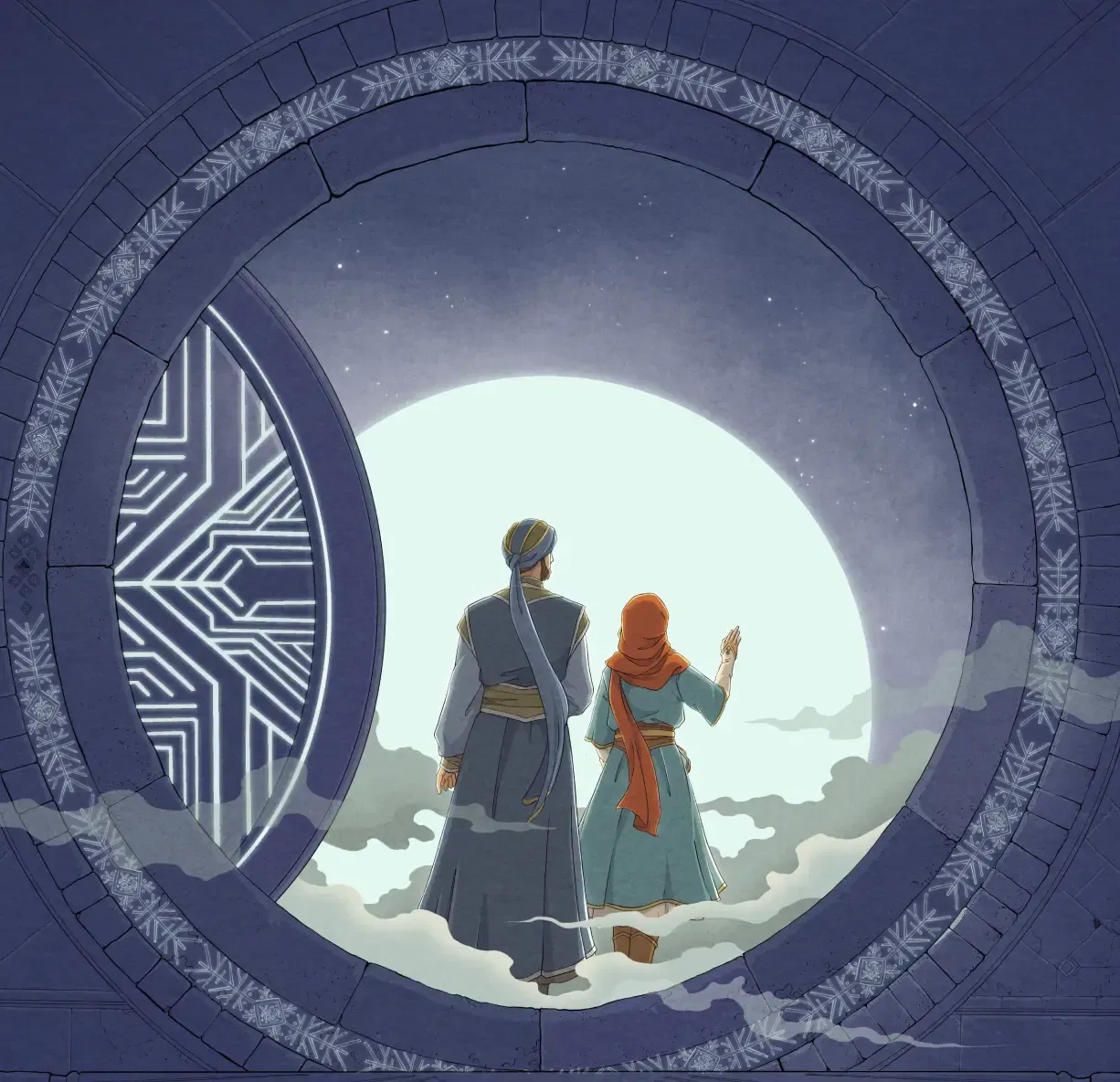
Seven travellers journey towards the mysterious Time Tombs in a universe where religion, war and political ambition overlap. Its structure, stories shared along a pilgrimage, makes for a different kind of epic, but its questions about belief, destiny and powerful figures changing history will feel familiar to many Dune readers.
Read it if you loved: prophecy and spiritual conflict in a wide-ranging science-fiction world.
4. The Left Hand of Darkness by Ursula K. Le Guin
This is a quieter, more intimate choice: an envoy tries to understand the people of Gethen, a world shaped by extreme cold, unfamiliar social customs and shifting political loyalties. Le Guin gives the environment and culture real weight, making this one of the most rewarding worldbuilding books for readers who enjoy learning how a society works from the inside.
Read it if you loved: Dune’s cultural detail and the way environment shapes human life, though here the landscape is icy, not desert.
5. A Memory Called Empire by Arkady Martine
When a new ambassador arrives at the heart of an expansionist empire, she must navigate its language, literature and political rituals while investigating her predecessor’s death. The tension is less about supernatural prophecy than about belonging and influence: how does a smaller culture survive when a dominant power makes itself irresistible?
Read it if you loved: the imperial politics of Dune and want a close-up view of diplomacy and cultural identity.
6. Foundation by Isaac Asimov
Asimov shifts from one ruler or hero to the fate of whole civilisations. His central premise, using patterns in human history to anticipate the fall of an empire, makes the future feel both legible and unsettling. It’s an influential starting point for readers who want an expansive science-fiction series with political ideas at its centre.
Read it if you loved: the historical sweep of Dune and stories about whether anyone can steer the course of history.
7. The City of Brass by S. A. Chakraborty
A young con artist in eighteenth-century Cairo discovers that the djinn world is real, and that its capital is alive with old rivalries, inherited claims and political tension. Chakraborty’s trilogy has the layered feel of a city with a long memory, while its desert setting and folklore give it a different texture from familiar medieval-European fantasy.
Read it if you loved: hidden worlds, contested inheritances and political intrigue with a strong sense of place.
8. The Jasmine Throne by Tasha Suri
An imprisoned princess and a servant-priestess form an alliance that threatens the power of an empire. Their story weaves magic, faith and resistance together, with the political stakes growing through the characters’ choices rather than through a single foretold saviour. It opens Suri’s Burning Kingdoms trilogy.
Read it if you loved: fantasy where spiritual traditions, imperial rule and personal loyalties all matter.
9. Children of Blood and Bone by Tomi Adeyemi
In a kingdom where magic has been violently suppressed, a young woman sets out to restore it. The story draws on West African, particularly Yoruba, influences and centres on oppression, inheritance and resistance. It moves at a brisker pace than Dune, but still asks who controls power, and who pays when it is taken away.
Read it if you loved: high-stakes rebellion and a fantasy world rooted in cultural traditions beyond the usual medieval defaults.
10. The Traitor Baru Cormorant by Seth Dickinson
Baru is determined to bring down the empire that conquered her homeland, and she chooses to work within its systems to do it. This is a sharp, often harsh political fantasy rather than a prophecy-led adventure, with the focus on compromise, loyalty and the human cost of strategy.
Read it if you loved: Dune’s morally complicated politics and prefer plans that come with painful consequences.
11. Twelve Kings in Sharakhai by Bradley P. Beaulieu
Sharakhai is a desert city ruled by twelve immortal kings. When Çeda uncovers forbidden truths about their power, the city’s legends begin to open into a larger struggle. This is one of the most direct fantasy recommendations for readers seeking sand, rulers who seem untouchable and ancient forces beneath the surface.
Read it if you loved: desert cultures, old mysteries and the tension of challenging an entrenched order.
12. Tales of Khayaal: Arön by Rehan Khan and Peter Gould
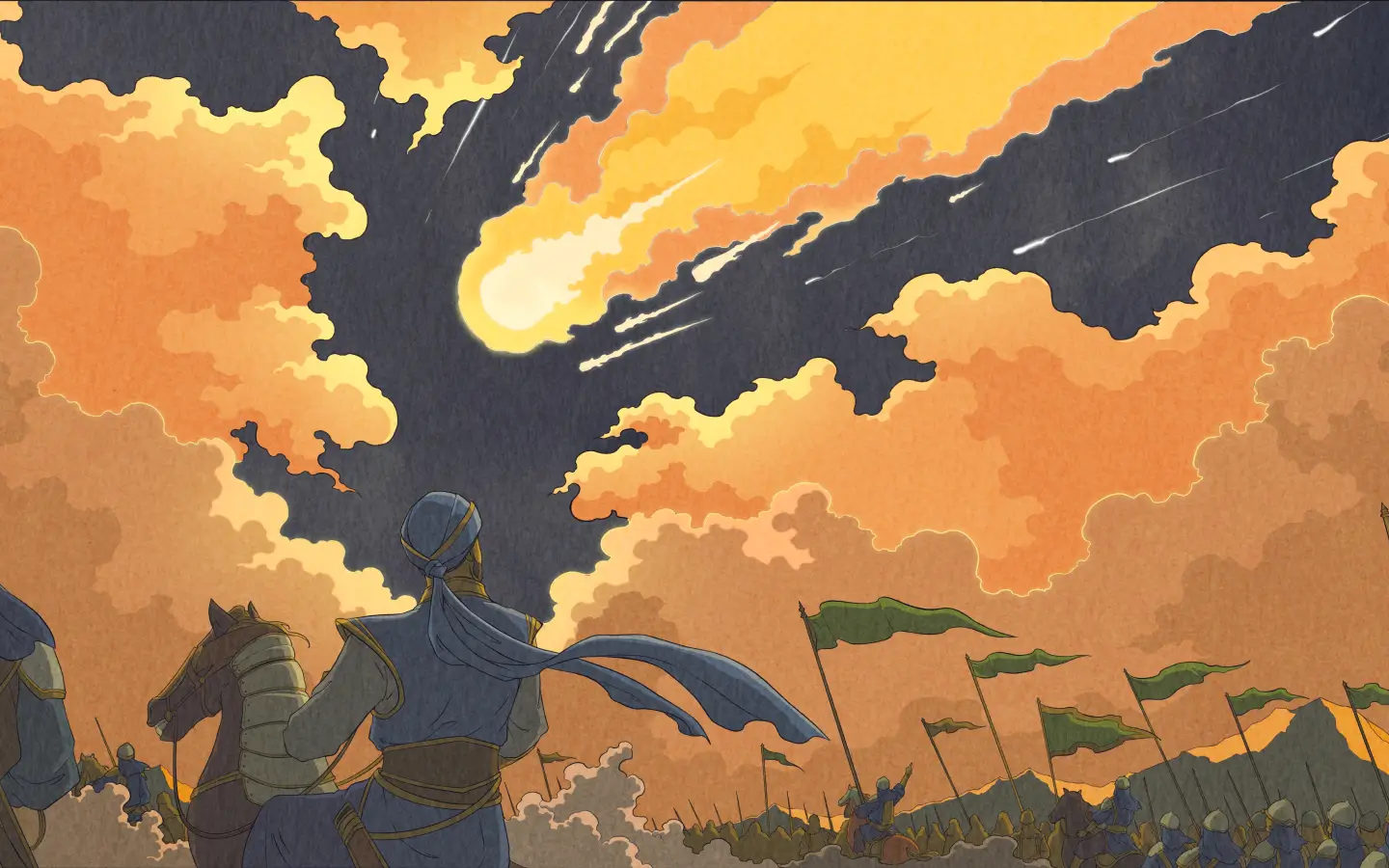
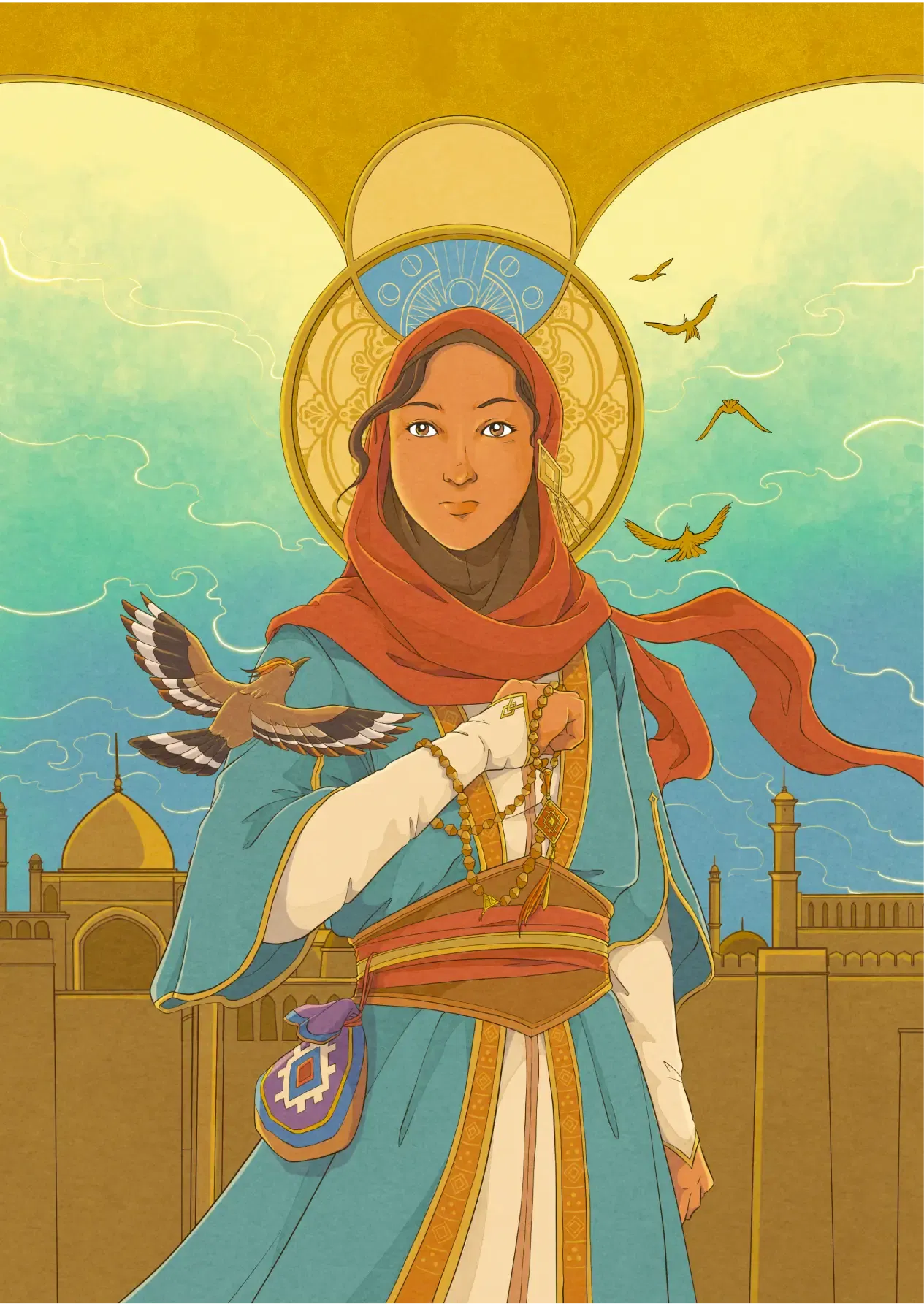
Book One of Tales of Khayaal takes place on Ikleel in its Third Epoch. Alifa, a medical assistant, becomes a Nurani Conduit able to wield Kha as a comet signals the approaching Final Standing. Its setting draws on Islamic cosmology and diverse Muslim cultural legacies, with human-drawn art accompanying the adventure.
A Goodreads reviewer describes it as “Assassin’s Creed meets Dune and The Lord of the Rings”: a useful flavour of its action and scale, rather than a claim that it retells those stories. It’s a distinct fantasy-and-science-fiction world, with sacred wisdom, political upheaval and spiritual power at the heart of its worldbuilding.
Read it if you loved: prophecy, high-stakes fantasy and worlds shaped by faith. You can read the first five chapters for free, or explore the world of Ikleel.
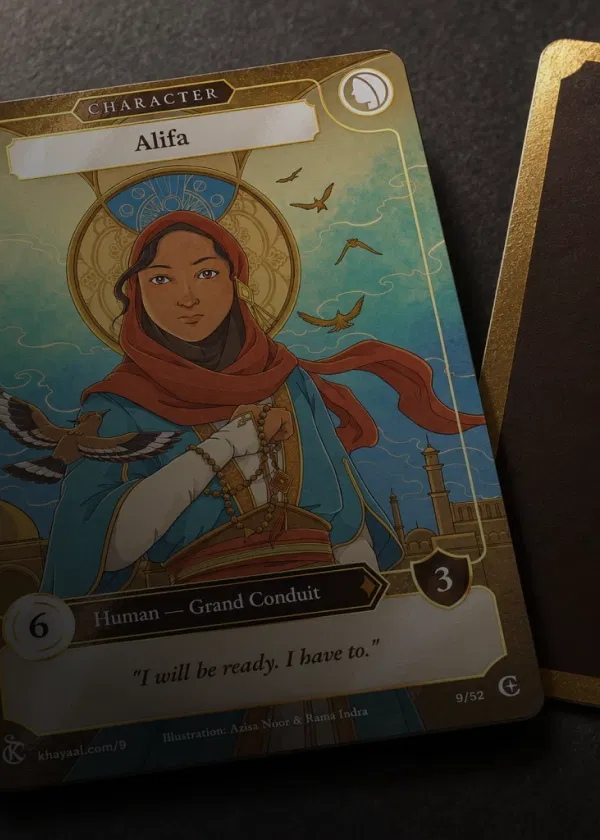
Where to start
For desert power struggles, try Twelve Kings in Sharakhai. For political science fiction, choose A Memory Called Empire; for pilgrimage and prophecy, begin with Hyperion. And if you’re looking for Islamic fantasy books with spiritual concepts woven into a new fictional universe, start with Arön.
Read the free sample chapters of Book One, then pre-order Book Two, Cin, or back the crowdfund at launchgood.com/khayaal: the campaign ends 30 December.
Frequently asked questions
What should I read after Dune?
For a direct continuation, read Dune Messiah. If you want a new world, Hyperion offers prophecy and pilgrimage; The City of Brass brings desert atmosphere and court intrigue; The Left Hand of Darkness explores culture and ecology from a more intimate angle.
Are there fantasy books with Islamic themes?
Yes. Tales of Khayaal: Arön is inspired by Islamic cosmology and diverse Muslim cultures. The City of Brass draws on djinn folklore and a setting shaped by Middle Eastern history. These are different books with distinct approaches, so the sample chapters can help you decide which suits you.
Is Tales of Khayaal suitable for younger readers?
It’s best described as adult/YA-crossover epic fantasy with spiritual themes. We can’t offer a formal age rating here; read the free sample chapters to judge the tone and content for yourself.