Islamic Mythology: the Stories, Beings and Symbols Behind Epic Fantasy
“Islamic mythology” is a phrase people often use when searching for the stories, unseen beings and symbols found across Muslim cultures, but it needs care.
“Islamic mythology” is a phrase people often use when searching for the stories, unseen beings and symbols found across Muslim cultures, but it needs care. Islamic scripture and religious tradition are not simply fantasy material; alongside them are centuries of folklore, poetry, mystical interpretation and literature that have inspired storytellers. Together, these varied traditions offer rich imaginative ground for fantasy, when approached with respect and clear distinctions.
What do people mean by “Islamic mythology”?
The word mythology can describe a culture’s traditional stories, but it can also suggest that sacred beliefs are untrue. For many Muslims, accounts of angels, jinn and the Night Journey are matters of faith, not “myths” in the dismissive sense. So it helps to be precise: are we talking about scripture, religious interpretation, regional folklore, literary invention, or a modern fantasy inspired by them?
There is no single, uniform collection called “Islamic mythology”. Muslim communities span many languages, regions and histories. Arabic, Persian, Turkish, Urdu and other literary traditions have each contributed stories and imagery, while Islamic religious sources have their own distinct place and meaning.
A respectful starting point is to understand the difference between a sacred tradition and the stories artists create in response to the wider cultural heritage around it.
Beings and traditions that have inspired storytellers
Jinn: unseen, varied and not all evil
Jinn are described in Islamic tradition as an unseen creation with moral agency. They are not simply another word for demons, nor are all jinn portrayed as evil. In the Qur’an, jinn are discussed as a category of beings; later folklore and literature expand their presence in many different ways.
Those imaginative accounts may feature jinn as helpers, tricksters, dangers, guardians or catalysts for change. The familiar wish-granting “genie” is one popular image, but it is only one narrow version of a much broader storytelling tradition.
The distinction between religious source and later invention matters. For example, Qur’anic references to an ifrit describe a powerful jinn, while later folklore develops the term in other directions. The same word can carry different meanings across different contexts.
Angels: a separate place in religious tradition
Angels also appear in Islamic religious tradition, but they should not be blurred together with jinn. They belong to a distinct understanding of the unseen. Nor should a fantasy writer casually turn religious angelic figures into generic magical creatures: for believers, they carry sacred significance.
For worldbuilders, the broader lesson is that a being’s role in a story is shaped by the tradition it belongs to. Careful research and clear framing help prevent a borrowed name from becoming a misleading claim about religious belief.
The Night Journey: a sacred tradition, not just an adventure plot
The Night Journey, known as the isrāʾ and miʿrāj in Islamic tradition, is associated with the Prophet Muhammad’s journey by night and the heavenly ascent. Its foundations and later interpretations are part of a living religious tradition, understood and discussed in different ways across sources and communities.
It may be tempting to describe it simply as a journey through wondrous realms. But that would miss its devotional meaning. For many Muslims, it is not just a dramatic story structure: it is a sacred account with spiritual significance. Writers can learn from its sense of scale, movement and encounter without treating it as a fantasy template or retelling it as fiction.
From sacred tradition to literary imagination
Stories travel through more than scripture. Across generations, oral tales, poetry, miniature painting, mystical writing and collections such as One Thousand and One Nights have gathered and reshaped ideas about the unseen, dreams, perilous journeys and enchanted places. These works belong to complex literary histories; they are not a single authoritative account of Islamic belief.
A useful way to think about this heritage is to distinguish its layers:
| Layer | What it includes | A respectful way to approach it |
|---|---|---|
| Religious tradition | Scripture, prophetic accounts and theological interpretation | Treat it as sacred for those who hold it as faith; avoid presenting it as fantasy |
| Folklore and literature | Regional tales, poetry and imaginative works | Name the cultural or literary context where possible |
| Modern fantasy | New worlds drawing inspiration from heritage | Make clear what is invented and avoid claiming religious authority |
One idea that connects particularly well with storytelling is khayāl: imagination, image or the capacity to give form to meaning. In some Islamic philosophical and mystical traditions, imagination is more than idle make-believe; it can be a way of contemplating symbols, dreams and the relationship between what is seen and unseen.
That does not make an artist’s work revelation, or a fictional world a religious teaching. It offers a way to reflect on why images and stories can feel meaningful: they give shape to questions that are difficult to approach directly.
How Tales of Khayaal builds an original fantasy world
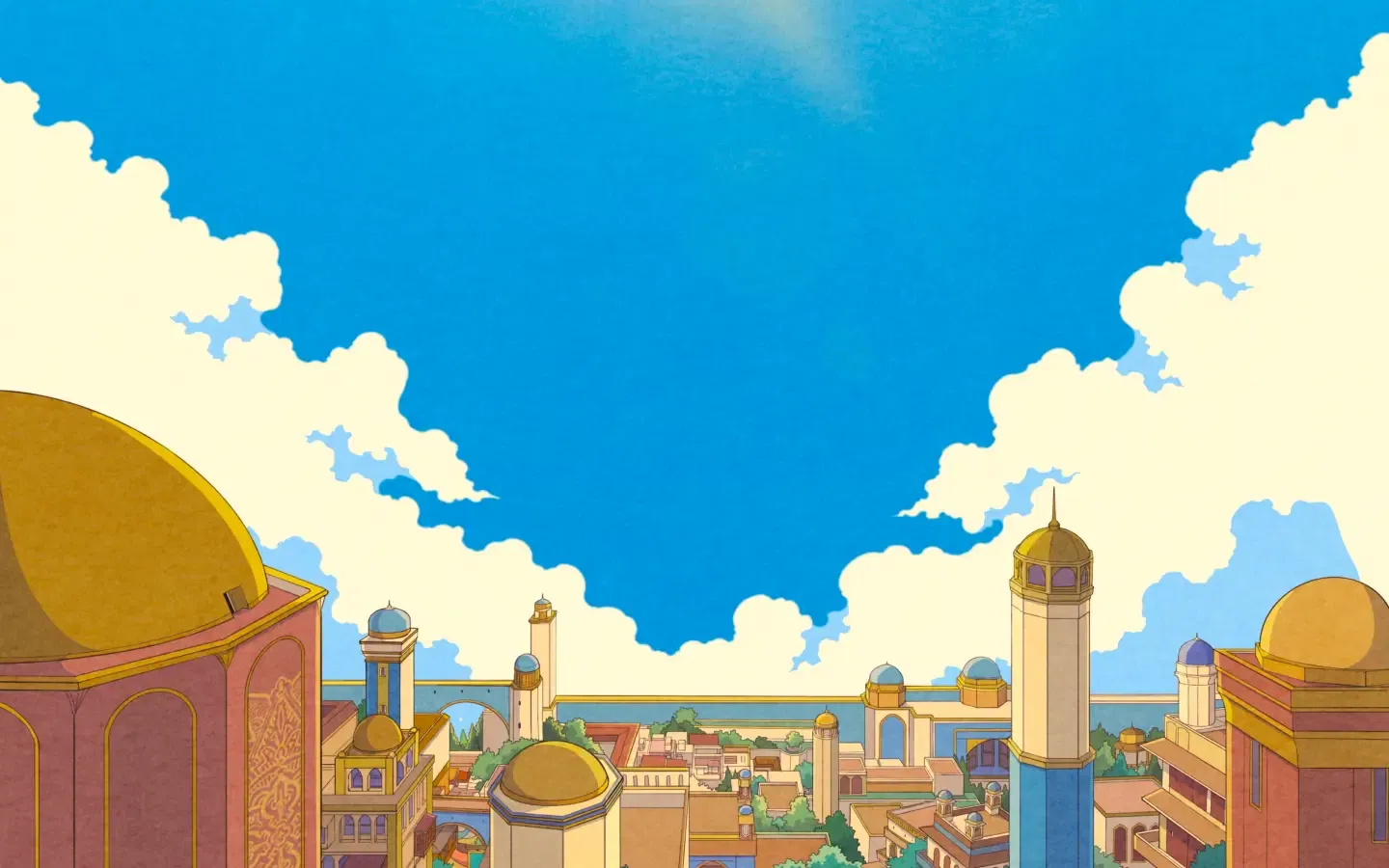
Tales of Khayaal is a work of fiction inspired by spiritual ideas and the storytelling heritage of diverse Muslim cultures. It does not retell scripture or claim to explain Islamic belief. Instead, it invites readers into the Khaverse: an original fantasy universe set on the planet Ikleel.
At its heart is khayaal as spiritual imagination: the sense that the inner life can be a place of discovery, responsibility and change. In the Khaverse, that imaginative seed becomes a story about power, service and the choices people make under pressure.
Kha, the Source and the Isthmus
The Khaverse has its own invented power system. Kha is a divine energy that flows from the Source via the Isthmus, and those able to wield it are known as Conduits. Conduits may be Nurani, serving the Creator, or Dhulmi, corrupted in their use of power.
This is fictional worldbuilding, not a description of real Islamic theology. The distinction lets the story explore spiritual questions through invented rules and characters rather than making religious claims. What does it mean to be entrusted with power? How might service differ from control? And what can happen when the desire to dominate overwhelms the heart?
Alifa’s journey through Arön
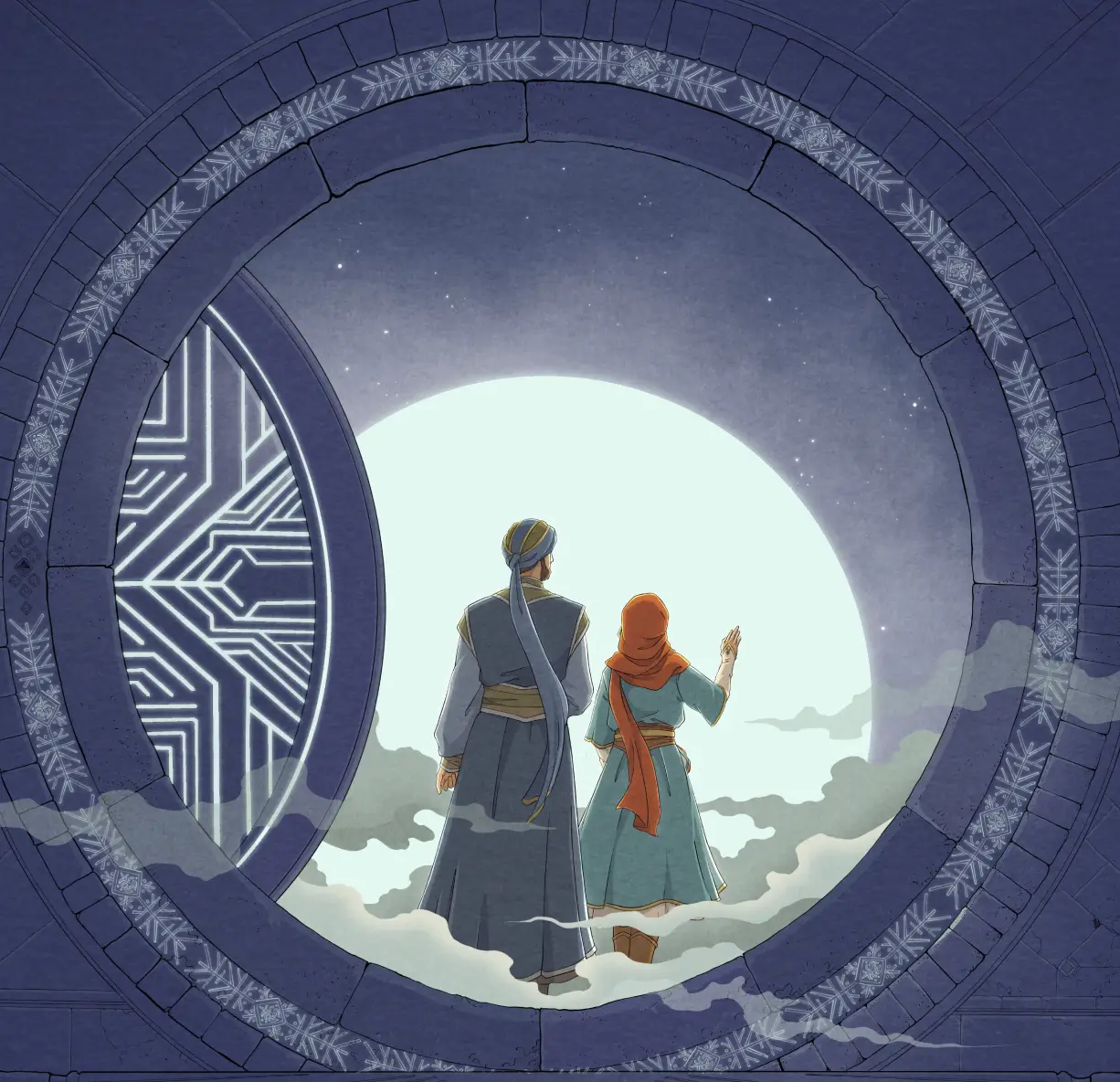
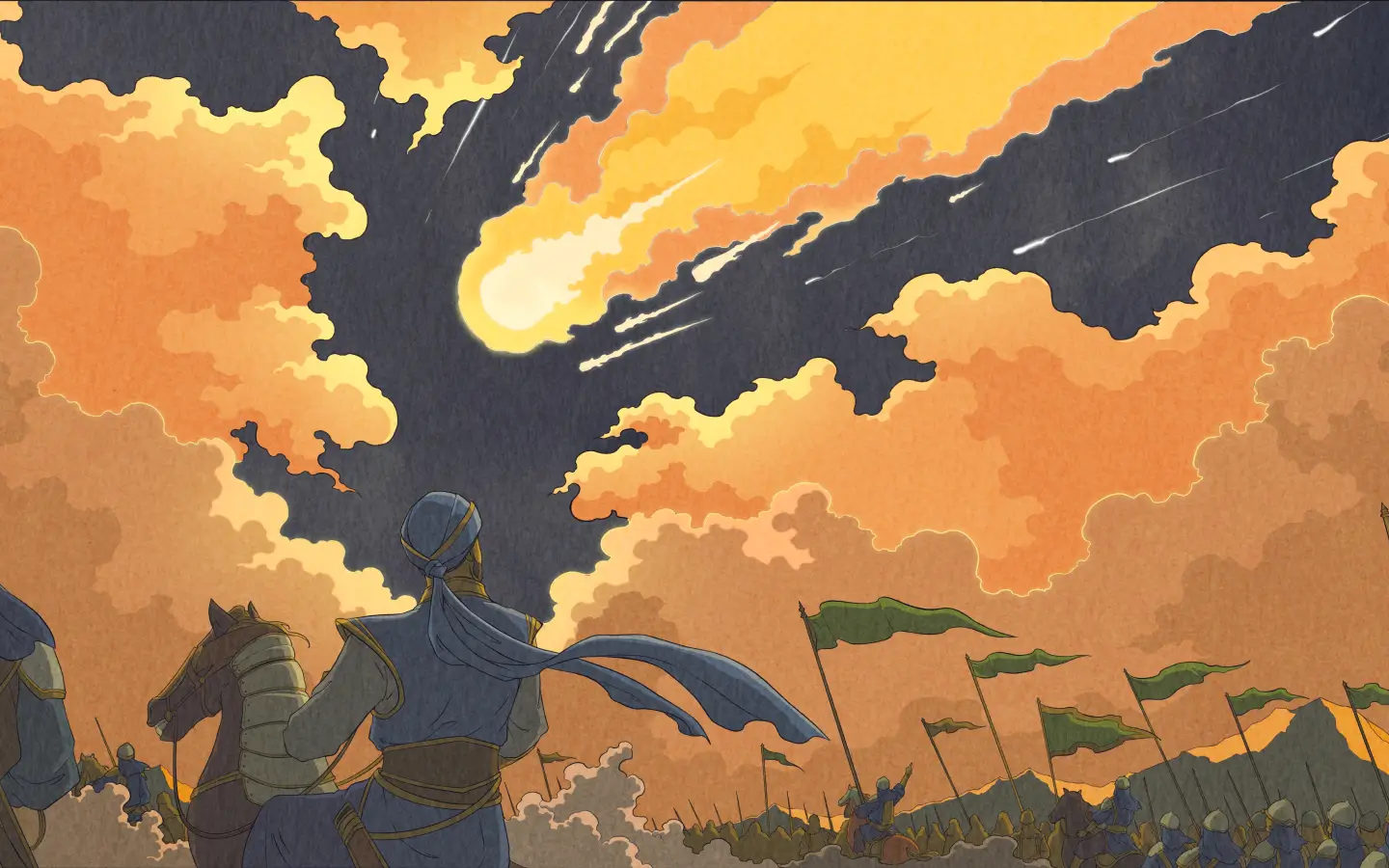
In Tales of Khayaal: Arön (Book One, out now), Alifa begins as a medical assistant. Her life changes when she becomes a Nurani Grand Conduit, and she must face a world on the brink of upheaval. A comet signals the approach of the Final Standing and the possible return of Mörtan, the Corroder of Hearts. Meanwhile, the Syndicate threatens Arön.
Her story unfolds across four narrative layers: adventure, allegory, moral dilemmas and spiritual meaning. The action carries the reader forward; the allegory opens questions about society and power; the moral dilemmas complicate easy choices; and the spiritual layer invites reflection without prescribing what a reader must believe.
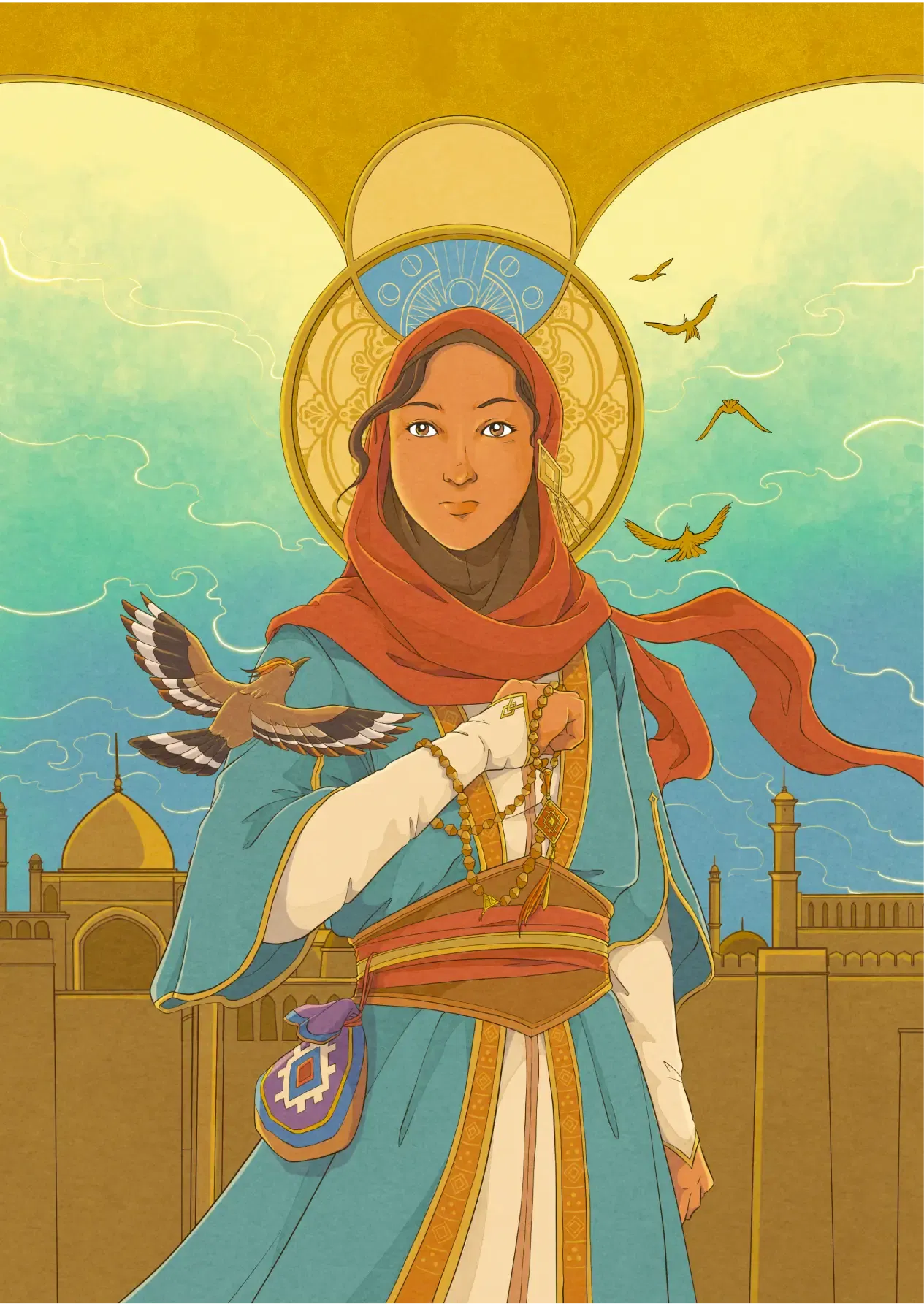
The books are created by Rehan Khan, writer and loremaster, and Peter Gould, designer. Readers looking for large-scale fantasy may also enjoy our guides to books like Dune, books like The Lord of the Rings and the best fantasy books of 2026. For more stories from Muslim-inspired worlds, explore our guide to Islamic fantasy books. If listening is your preferred way into an epic, you might also like our round-up of the best fantasy audiobooks.
Discover a world shaped by imagination
The best fantasy does not merely borrow a name or symbol. It asks what that symbol means, who it matters to and how it can be transformed without erasing its roots. Islamic traditions and the literary cultures around them offer storytellers extraordinary depth, but that depth deserves curiosity, humility and care.
If you would like to step into the Khaverse, read the free sample chapters of Tales of Khayaal: Arön at khayaal.com/read. And if you’d like to help bring Book Two, Tales of Khayaal: Cin, to life, the crowdfund at LaunchGood ends on 30 December 2026.
Frequently asked questions
Is “Islamic mythology” the right term?
It is a common search phrase, but it can be misunderstood. It is clearer to distinguish Islamic religious tradition from folklore, literature and modern fiction inspired by Muslim cultures.
Are jinn always evil?
No. Jinn are not automatically demons, and religious sources and later stories portray them in varied ways. Their roles depend on the tradition or fictional work being discussed.
Does Tales of Khayaal retell Islamic religious stories?
No. The Khaverse is original fiction. It draws inspiration from spiritual ideas and diverse Muslim storytelling heritage, while its characters, events and power system are invented.

Join the Khayaal Circle
We invite you to join a growing community of like-hearted Khayaalis in the next phase of our journey. Sign up for exclusive updates, sneak peeks and join playtesting communities and become part of the community to receive meaningful updates.