Are TTRPGs Hard to Learn? A Beginner's Guide to Tabletop Roleplaying
No, TTRPGs aren’t hard to learn if you begin with a game that suits your group.
No, TTRPGs aren’t hard to learn if you begin with a game that suits your group. The rules can look intimidating from the outside, but a first session can be as simple as imagining a scene together, deciding what your character tries, and rolling a die when the outcome is uncertain. A patient guide, a short adventure and permission to learn as you go make all the difference.
What is a TTRPG?
A tabletop role-playing game (TTRPG) is a shared story shaped by the people playing it. Each player usually takes the role of a character, while one person, the game master (GM), describes the world, plays its other inhabitants and helps decide what happens when characters take action.
Imagine your party reaching a bridge watched by a wary guard. You might persuade them, find another way across or try something unexpected. The GM describes the consequences; the rules and dice help settle outcomes when needed. There isn’t usually a board with one fixed route to follow. The group makes the journey together.
If you’ve enjoyed making up stories, improvising with friends or choosing what a character does in a video game, you already know a little of the spirit of role-play.
Beginner-friendly tabletop RPGs to try
Different games ask for different amounts of preparation. Here are a few real options, from quick one-shots to longer fantasy adventures.
| Game | What you need | Best for |
|---|---|---|
| D&D 5e Starter Set | A starter set or suitable rules, character sheets, dice and a GM. Starter-set contents vary by edition. | Classic fantasy adventures, especially if your group wants a well-known system and room to grow. |
| Kids on Bikes | The rulebook, a GM, players and the game’s dice. | Collaborative, character-led adventures with a modern small-town mystery feel. |
| Cairn | Free rules, a GM, players and dice. Read the official core rules. | Groups who want a rules-light fantasy game and enjoy solving problems creatively. |
| Honey Heist | Its short rules, one six-sided die, a GM and a group ready to play criminal bears. | A playful, low-prep one-shot that shows how quickly a TTRPG can get going. |
| Tales of Khayaal TTRPG | The game is in development; playtesting is ongoing. | Players drawn to spiritual themes, meaningful choices and a fantasy world inspired by diverse Muslim cultures. |
| Khayaal Cards | A 54-card deck for 2–4 players. | A card-game entry point into the Khaverse while the TTRPG develops. |
The D&D Starter Set can be a friendly route into classic fantasy, especially if you use pre-made characters and follow a short starter adventure rather than trying to master every rule first. For a practical introduction, see Wargamer’s beginner guide to Dungeons & Dragons.
If you’re looking for a TTRPG like Dune, think about what you want to bring to the table: sweeping political choices, a harsh world, mysticism or a close-knit group of heroes. No single system is automatically the right fit. Choose a game whose rules and mood match the kind of story you want to tell.
Where Tales of Khayaal fits
Tales of Khayaal is a fictional creative universe on the planet Ikleel, inspired by spiritual concepts and the rich legacy of diverse Muslim cultures. Its TTRPG is in early development, with playtesting ongoing. More than 300 people applied to playtest: a sign of strong community interest, not a claim that the game is finished or publicly playable.
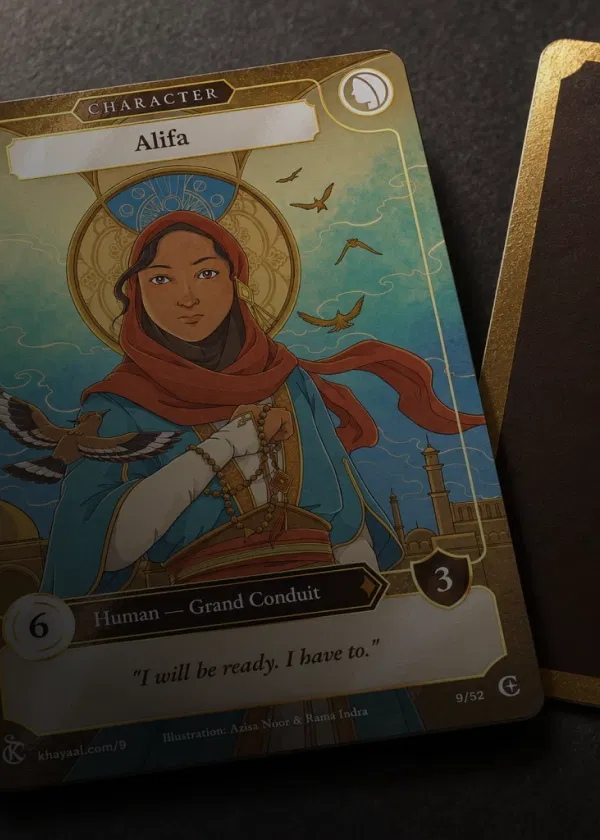
The product you can play now is Khayaal Cards, a 54-card deck for 2–4 players. Three game modes are in development: Truth and Falsehood, Conduit Clash and Pledge of Allegiance. Its Scenario Moments (short, prompt-based narrative experiences in the game and lore booklet) offer a gentle way to explore the world through story.
How to start your first session
1. Pick a simple system
Choose rules that match your group’s appetite. If you want a quick experiment, try a short one-shot with light rules. If your group is excited by character abilities, detailed fantasy settings and a longer campaign, a starter set may be a better fit. You don’t need to choose the perfect game for life, just one that sounds inviting for this first evening.
2. Keep the first session short
Plan for around two or three hours, including breaks and a little time to get comfortable. A compact goal: find a missing map, deliver a message or escape a storm, gives everyone a clear thread to follow without requiring a vast campaign plan.
3. Start with a low-prep one-shot
A one-shot is a story designed to begin and end in one session. It’s a forgiving way to learn: the group can try role-playing, ask questions and see whether the game suits them without committing to months of play. Use a published starter adventure or make a simple premise together.
4. Bring only what you need
Usually, that means the rules, character sheets, pencils and dice. Some groups use a dice app; others enjoy the clatter of physical dice. Snacks, a comfortable table and a shared understanding that it’s all right to pause and check a rule are useful extras.
You don’t have to memorise the rulebook. The GM can explain the basics, players can ask questions, and the group can look up details when they matter.
5. Make room for family and first-timers
For a family game, agree on a story everyone can enjoy and keep the first adventure simple. Give quieter players time to think, offer choices rather than putting anyone on the spot, and let characters contribute in different ways: one notices clues, another talks to people, another bravely opens the mysterious door.
TTRPGs are different from family board games: they generally need more conversation and imagination, and often someone to guide the session. If your family would rather start with a quick, structured game, explore our guide to family board games for game night.
What makes a good beginner TTRPG?
A welcoming first game doesn’t need the fewest possible rules. It needs rules that help the group play without making every moment feel like a test.
- Simple core rules: Players should be able to understand what to do when they attempt something uncertain.
- A narrative focus: The rules should leave room for conversation, character choices and surprise.
- Low preparation: A useful starting adventure and ready-to-use characters can help everyone get to the fun sooner.
- Consequential choices: Decisions feel memorable when they change relationships, reveal character or shape what happens next.
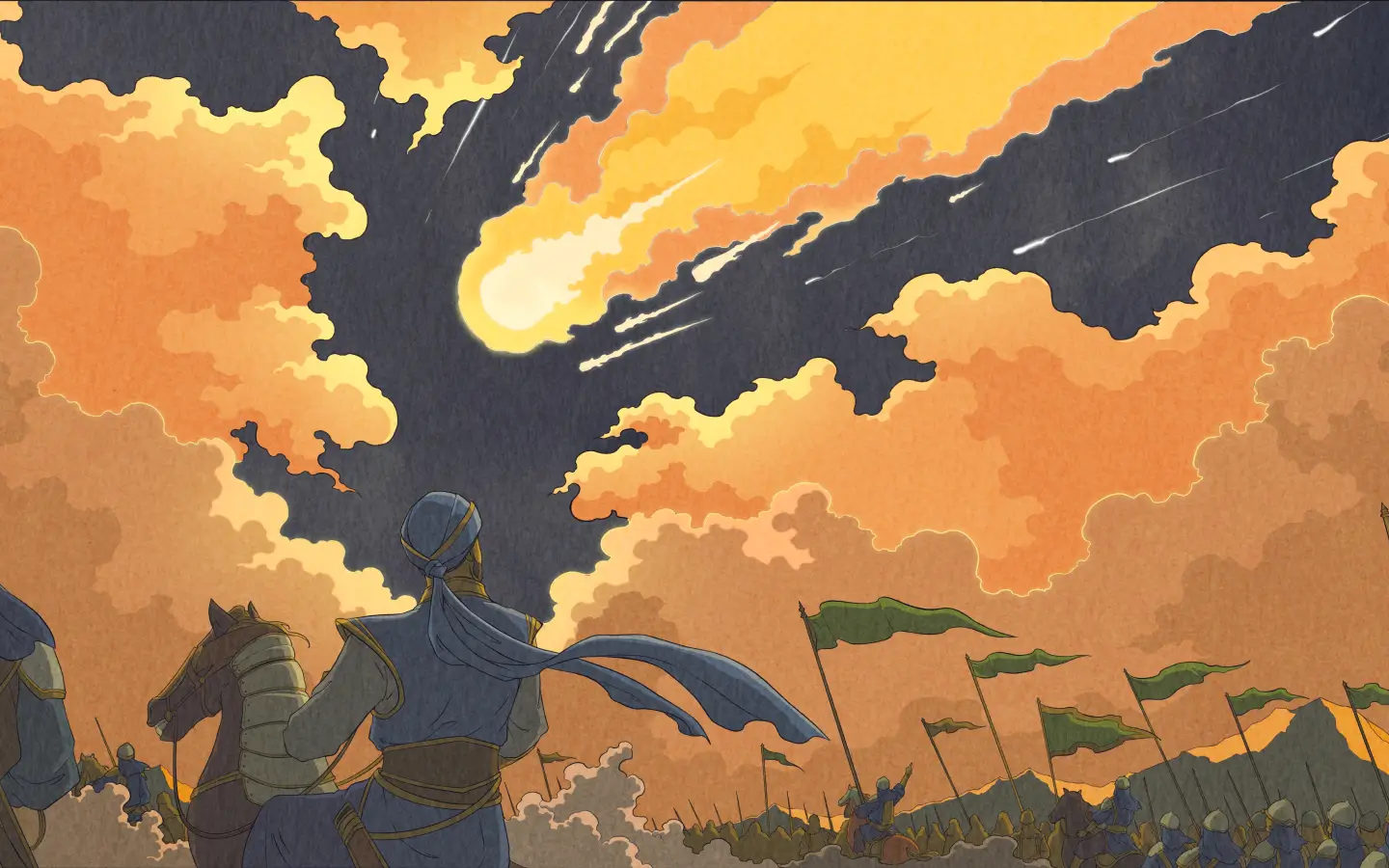
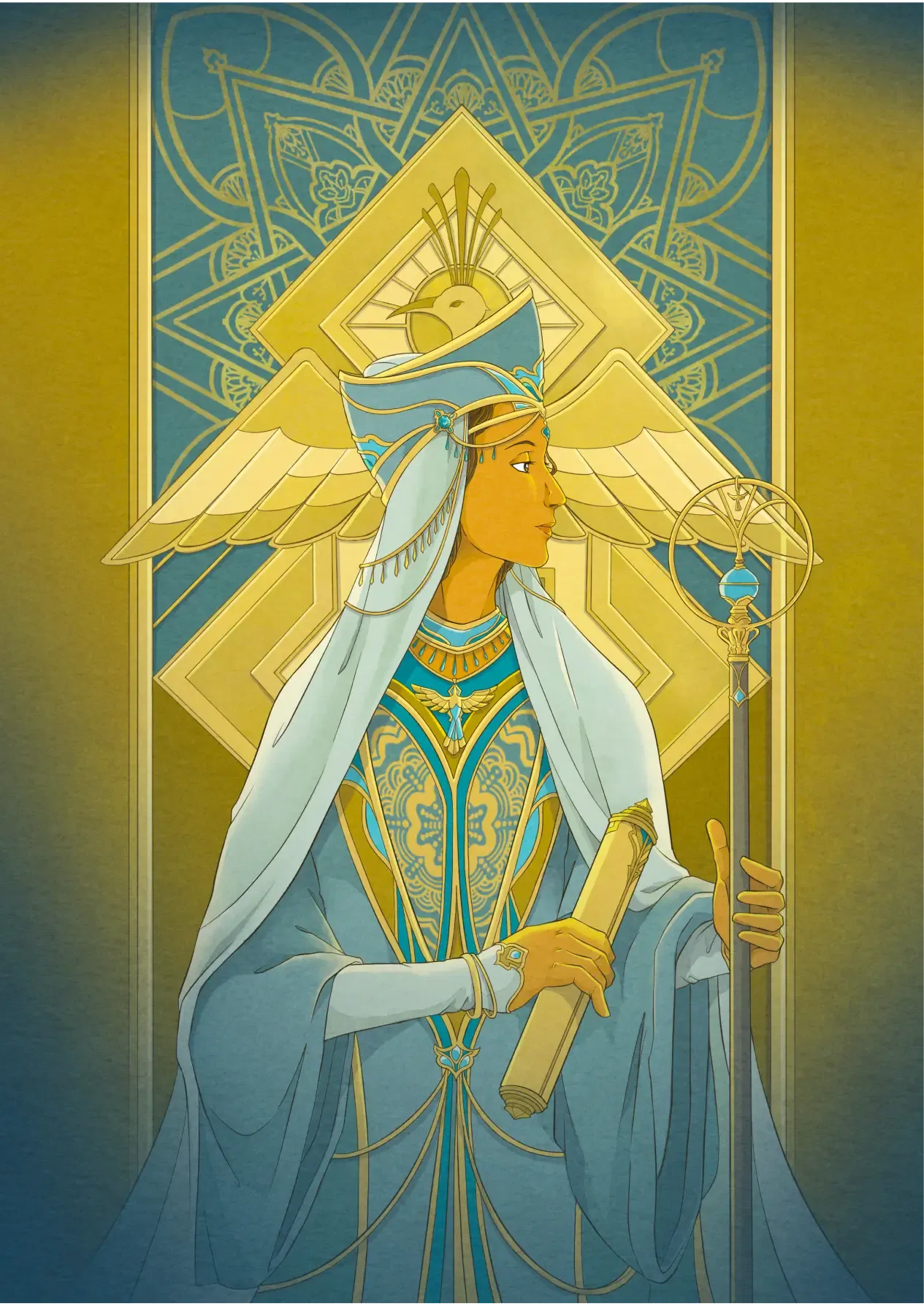
In the Khayaal TTRPG, those ideas meet a world where choices carry weight. Set on Ikleel during its third epoch, the story follows Alifa, a medical assistant who becomes a Nurani Conduit. Conduits wield Kha, divine energy flowing from the Source via the Isthmus. Nurani Conduits use their abilities nobly; Dhulmi Conduits are corrupt. As a comet heralds the Final Standing and Mörtan’s return, the Syndicate threatens Arön.
That’s a glimpse of the setting, not a promise of a finished rules system. The game is being developed around four narrative layers: adventure, allegory, moral dilemmas and spiritual meaning. These themes invite reflection through fiction; they are not religious rulings or instructions. The universe welcomes Muslim and non-Muslim readers and players alike.
TTRPG for beginners: frequently asked questions
What’s the easiest TTRPG for beginners?
There’s no single easiest choice for every group. A short game such as Honey Heist can be a quick introduction; a starter set can provide a more guided route into a larger fantasy game. If you’re unsure, choose a short one-shot and ask an experienced friend to guide the first session.
Do you need a dungeon master?
Many TTRPGs use a GM to describe the world, play supporting characters and help resolve uncertain outcomes. Some games have different ways to share that role or play without a traditional GM. Check the game’s rules before you gather; for a first session, having one friendly guide can make things easier.
How do I introduce my family to TTRPGs?
Choose a short, age-appropriate adventure, keep character creation simple and explain that there are no “wrong” ideas, just choices that lead to different moments in the story. Start with a session everyone can finish in one sitting. If role-playing feels like a big leap, Khayaal Cards offer a separate, card-based way to encounter the Khaverse.
Take your first step into the Khaverse
Curious to explore? Support the Tales of Khayaal crowdfund to get Khayaal Cards and discover the world through its illustrated cards and Scenario Moments. The campaign ends on 30 December 2026; early supporters can receive Book Two, exclusive merchandise and the card game. Find the details at launchgood.com/khayaal.
The TTRPG remains in development. To follow its progress, playtesting and future news, visit khayaal.com/join to join the Khayaal Circle.

Join the Khayaal Circle
We invite you to join a growing community of like-hearted Khayaalis in the next phase of our journey. Sign up for exclusive updates, sneak peeks and join playtesting communities and become part of the community to receive meaningful updates.