Does Human-Drawn Fantasy Art Still Matter in 2026?
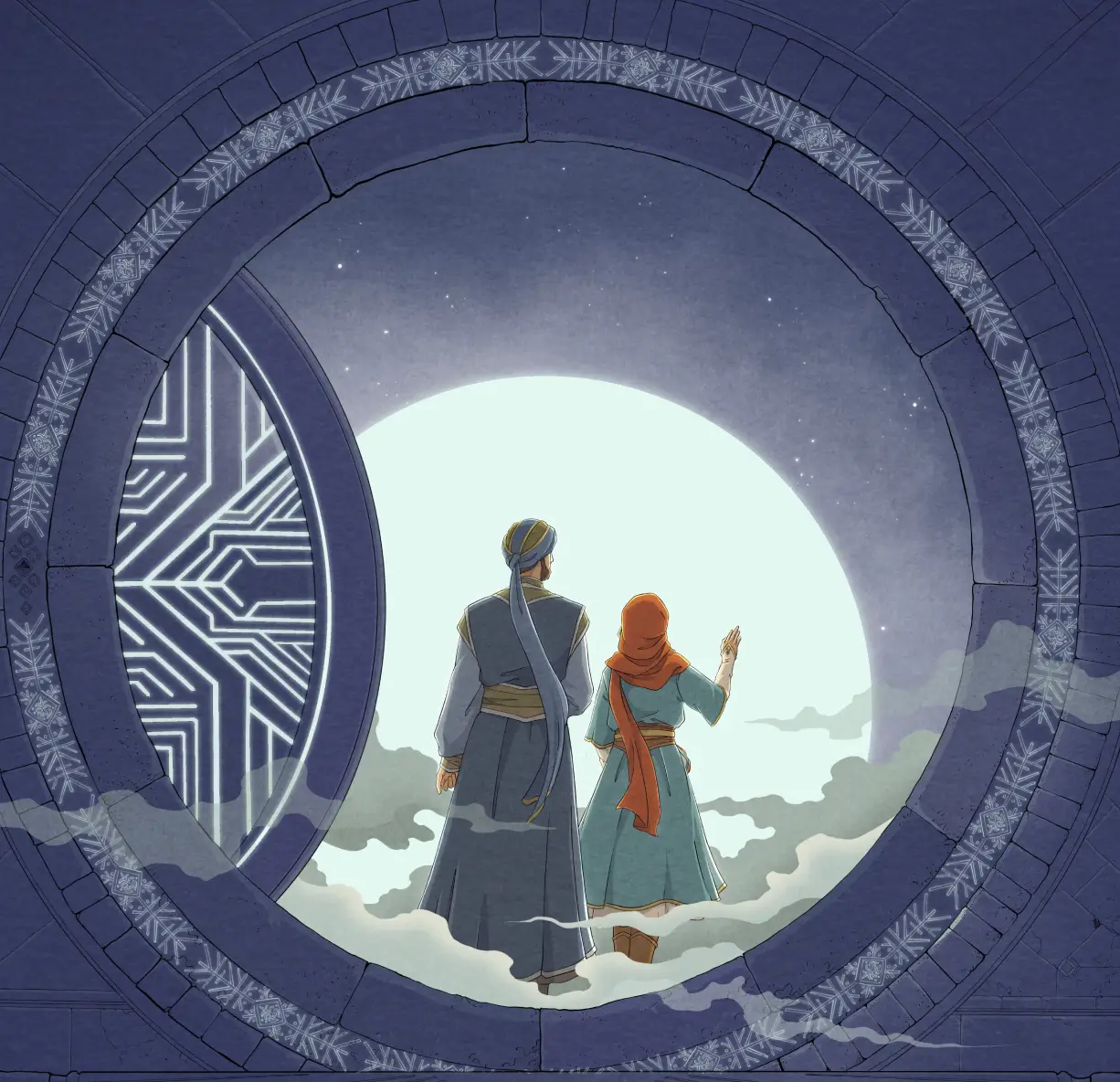
Human-drawn fantasy art still matters because it helps readers trust and inhabit an imagined world, not simply look at it.
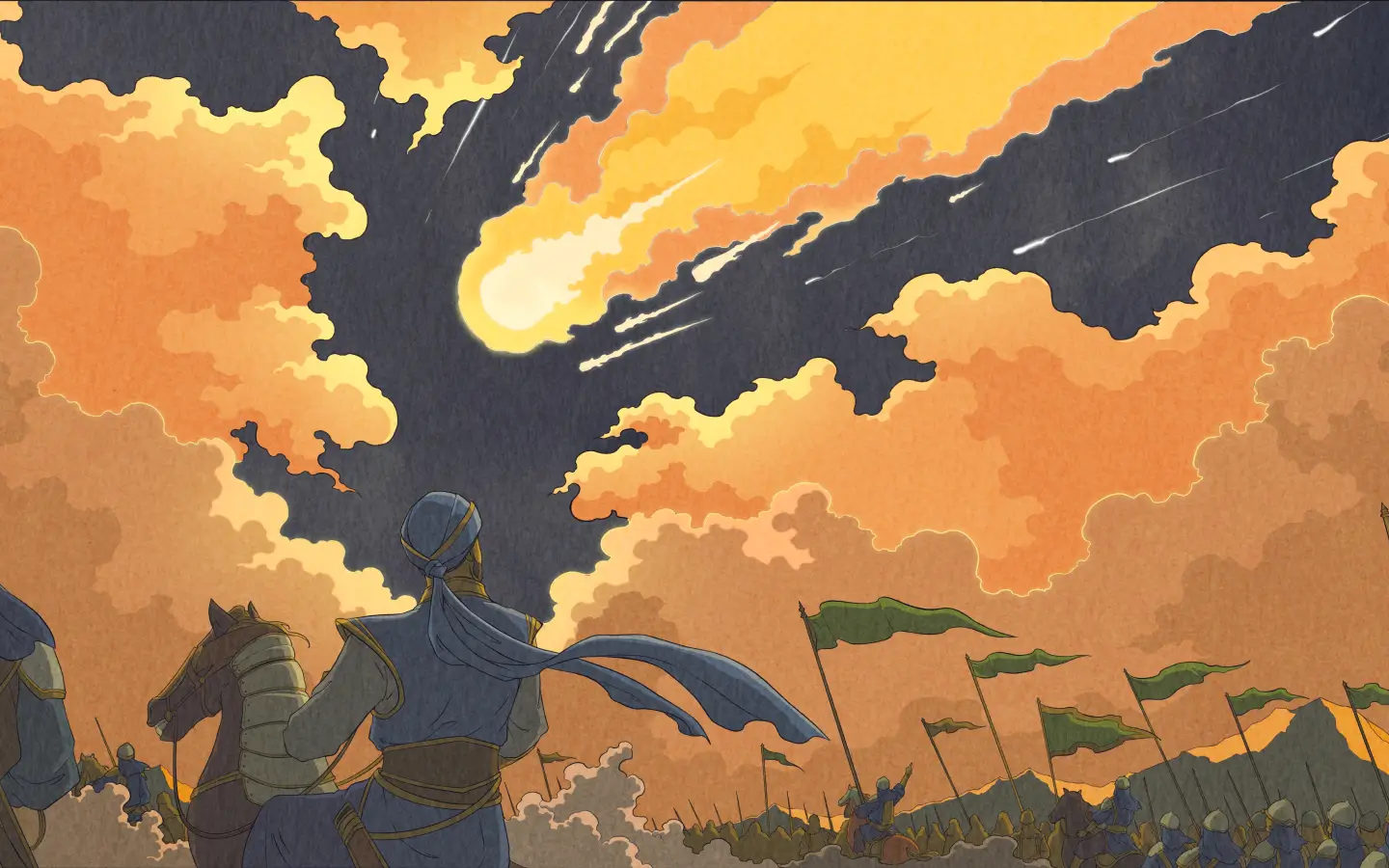
Human-drawn fantasy art still matters because it helps readers trust and inhabit an imagined world, not simply look at it. In a long story, the care behind an illustration can give characters, places and objects a sense of continuity that stays with us between pages.
Why this question is being asked in 2026
Image-making tools have become faster and less costly, and that has prompted a fair question: what is a made-by-hand image worth when images can be produced in so many ways? To us, the answer is not nostalgia, and it is not a contest over which method is always best. It is about the particular qualities an artist brings to a story.
A fantasy illustration is rarely just a picture of a person or place. It offers a reader a first glimpse of how a world feels: what its people value, how its light falls, what its history has left behind. When that image is made with care and a point of view, it can become part of how a reader remembers the story.
The question matters especially for a series. A world may grow across books, maps and games. Its artwork can help that growth feel connected, so readers have a visual path back into the world each time they return.
Consistency of characters
In a long series, readers build a picture of a character as they go. A face, a scar, a familiar gesture or the way someone holds their shoulders can become part of that picture. When those details carry through from one image to another, the reader’s mental portrait has room to settle and deepen.
This is a practical craft point, not a moral one. Character continuity helps an image feel as though it belongs to the same story as the words around it. It can also make a character recognisable across formats: a book illustration, a card, a later volume or a companion piece.
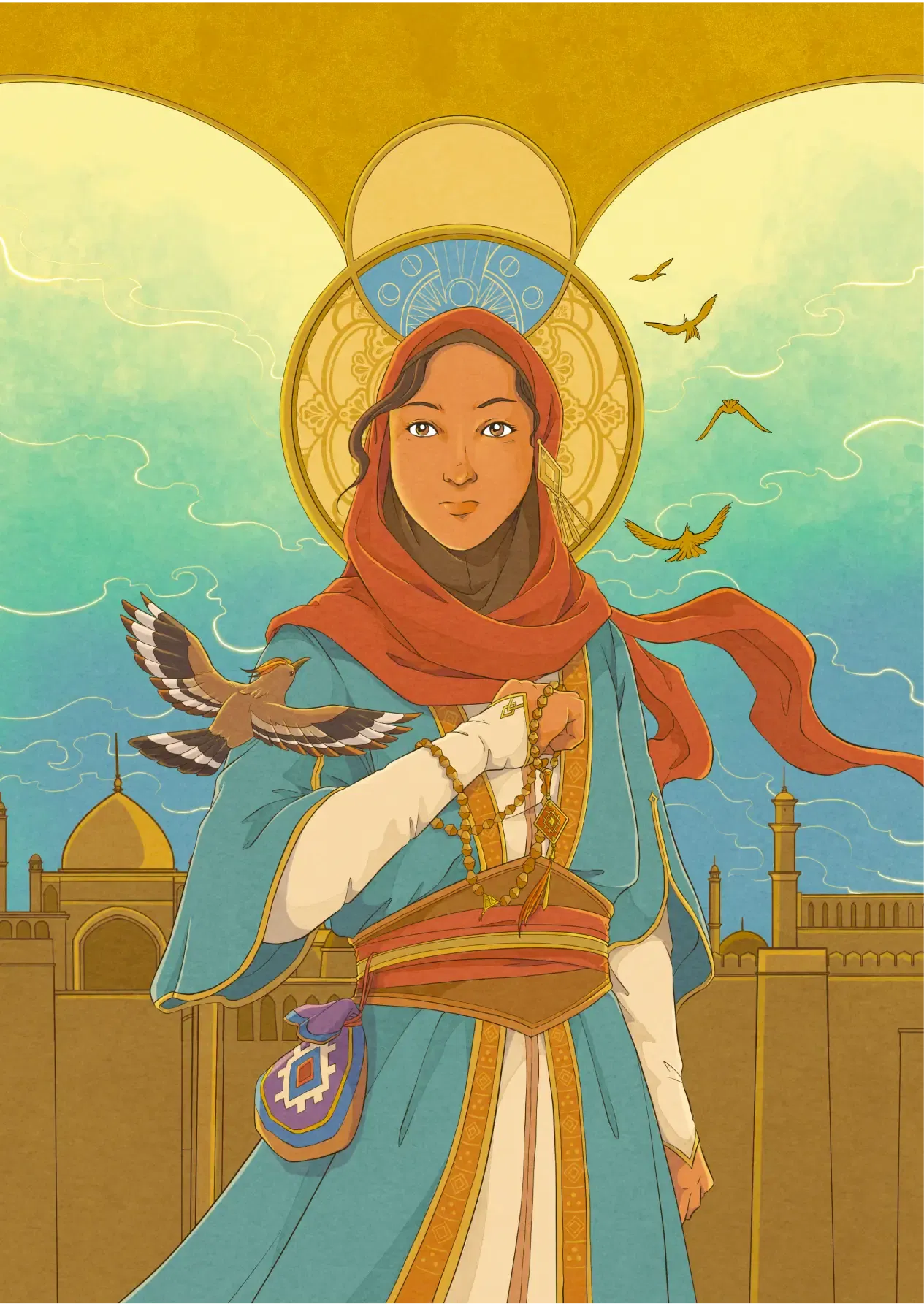
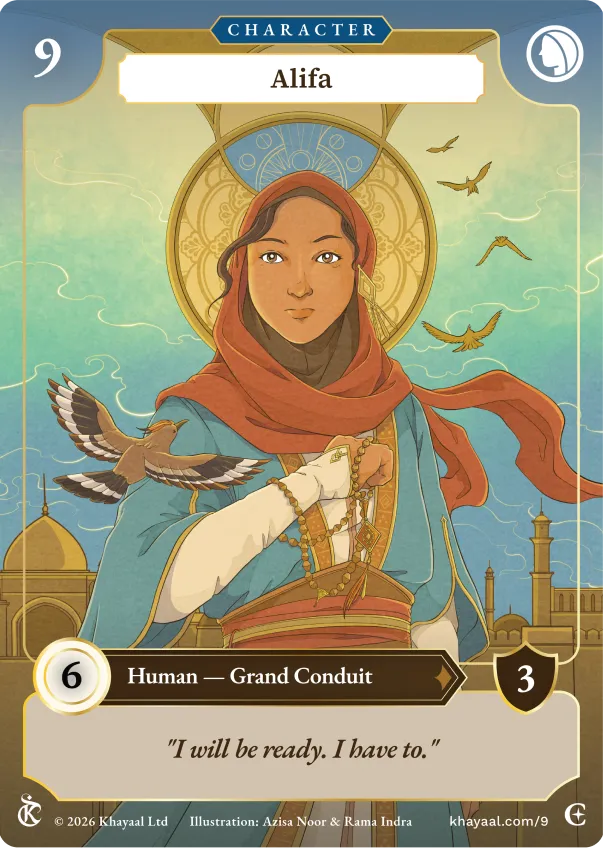
Think of Alifa, a Grand Conduit whose journey changes the way she moves through the Khaverse. A portrait can hold onto recognisable features while showing the bearing of someone who has taken on new responsibility. The image does not need to explain her whole story. It gives the reader a steady visual thread to follow.
An artist’s intent
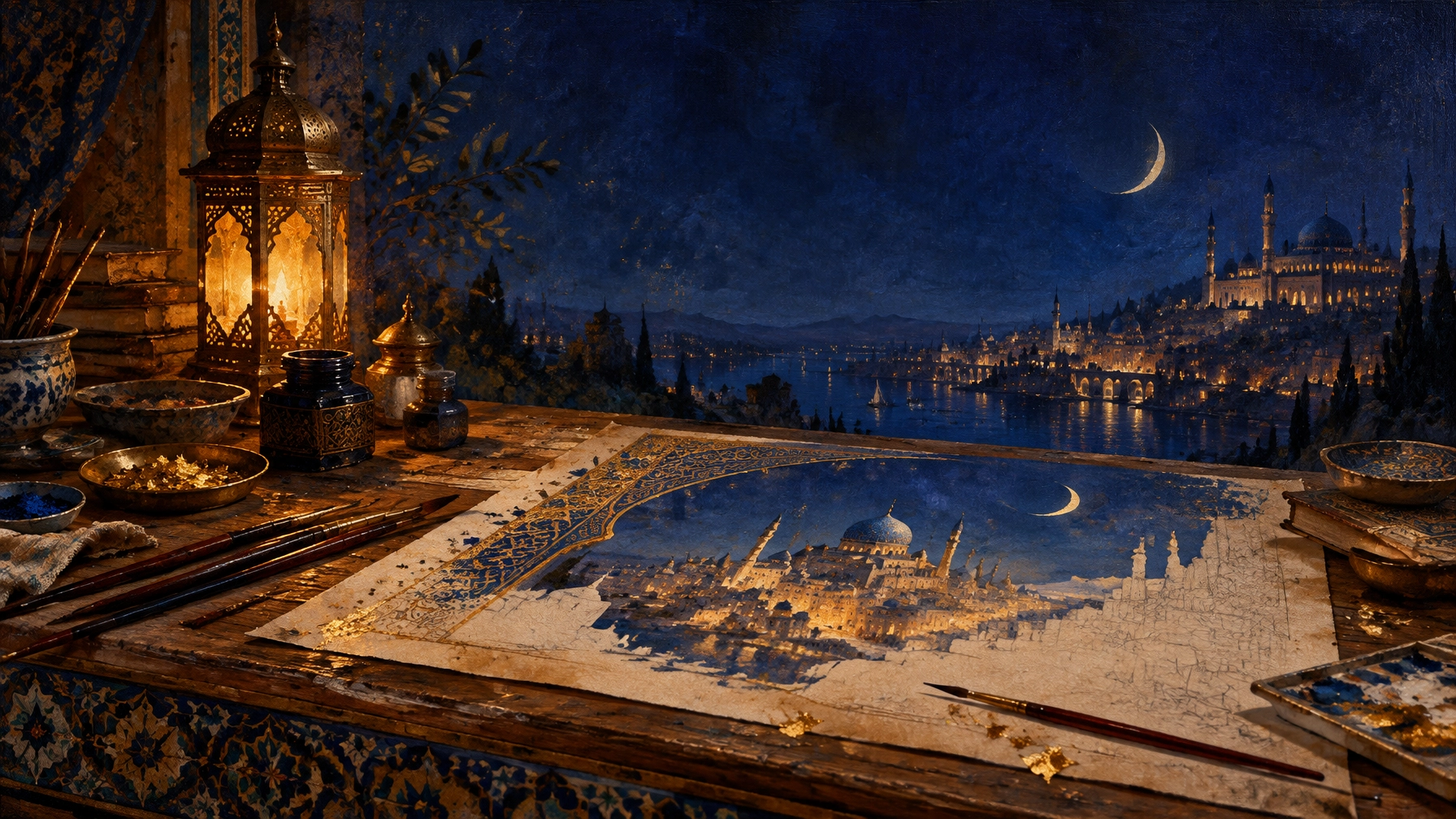
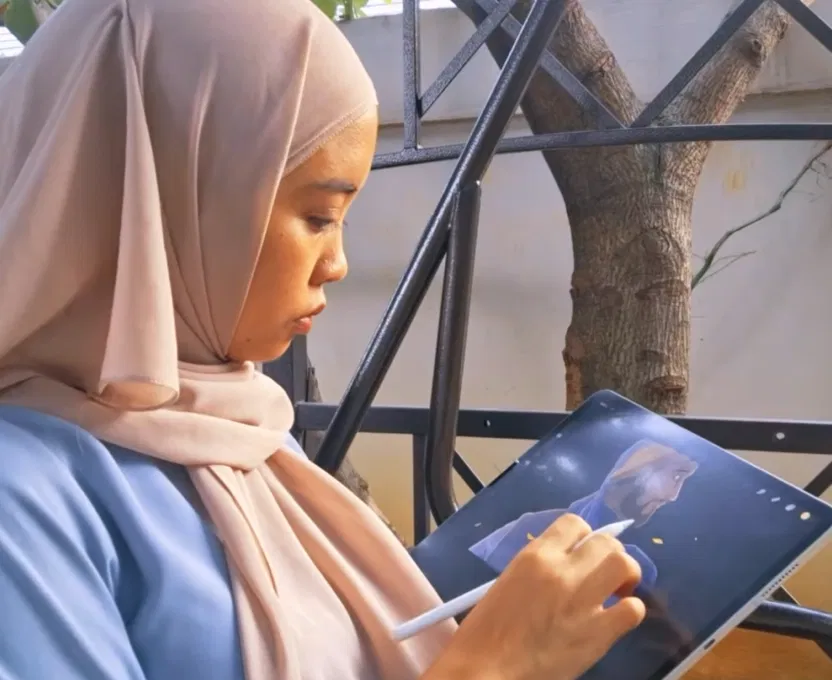
A human illustrator makes choices for reasons. Why this gesture rather than another? Why let lamplight catch one edge of a sleeve? Why include a particular pattern, clasp or fold in a character’s clothing? Those decisions can be small, but together they give an image its point of view.
Readers may not pause to identify each choice. They can still sense that the image is more than a collection of attractive details. A hand resting on a doorway might suggest caution; a quiet patch of light might make a crowded room feel contemplative. The illustration invites the eye to linger, and the story gains another way to communicate.
That is one reason hand-made work can feel authored: intention is present in the details, not just in the subject. This does not mean every reader will respond to the same image in the same way. It means the image carries a set of creative decisions that can add texture to the reading experience.
The world feeling authored
A fantasy world becomes more than a backdrop when its details feel as though they belong together. The lines of a map, the shape of an arch, the decoration on a character’s armour and the frame around a game card can all contribute to a shared visual language. Over time, those recurring choices make a world easier to recognise and return to.
| What it gives the reader | Why it matters over a long series | How it shows up in practice |
|---|---|---|
| A sense of place | Familiar visual details help each return feel connected | Repeated patterns in architecture or ornament |
| A recognisable character | Stable features support a reader’s mental picture | Portraits and cards that share defining details |
| A coherent world | Images feel as if they belong to the same setting | Consistent choices across maps, books and cards |
Coherence does not mean every image must look identical. A world can hold many moods and styles of scene. The point is that each image feels related to the same imaginative home. When the artwork and story share that sense of belonging, a reader is invited to inhabit the world rather than simply observe it.
What it looks like in practice at Tales of Khayaal
In Tales of Khayaal, the books and cards of Tales of Khayaal are human-drawn. In Tales of Khayaal: Arön (Book One), co-creators Rehan Khan, writer and loremaster, and Peter Gould, designer, introduce a world shaped by high-stakes adventure and spiritual imagination.
The art is painterly and heart-centred, drawing on Islamic architecture, geometric tilework and arabesque motifs, alongside diverse Muslim-inspired characters. These influences help give the Khaverse a visual character of its own, without asking the art to stand in for the variety of real Muslim cultures and lives.
That same world reaches the table through Khayaal Cards, a 54-card deck for two to four players. The cards are human-drawn throughout. Three play modes are in development: Truth and Falsehood, Conduit Clash and Pledge of Allegiance. A character seen on the page can appear again in a different context, giving readers and players another way to meet the world.
Why this matters for spiritual fantasy specifically
Tales of Khayaal takes place on Ikleel, where Kha flows from the Source, a divine energy, via the Isthmus. Its Conduits include the Nurani, who serve the Creator, and the corrupt Dhulmi. These are elements of a fictional setting, not religious rulings or instructions. They are part of a story that draws inspiration from spiritual ideas and the imaginative traditions around khayaal.
For us, that kind of story asks the reader to take an inner world seriously. Its questions about service, responsibility and the heart are carried by invented characters in an invented cosmos. A hand-made image feels like a fitting companion to that work: an act of care that meets the story’s seriousness with attention of its own.
That is our reasoning, not a universal law. Readers come to fantasy from many directions, and different kinds of art can open a door for different people. If you enjoy fantasy books with spiritual themes, you may find it interesting to notice how an illustration shapes the way a world’s ideas reach you.
What we are not saying
This is not a claim that a machine-made image cannot be beautiful or useful. It is not a judgement on readers, and it is not a claim that hand-drawn art is morally superior by definition. Art can move people in many forms, and people will value different things in the images they encounter.
Our choice is our choice. The only claim we are making here is about our own books and cards: the books and cards of Tales of Khayaal are human-drawn. We believe that approach suits the kind of visual continuity and care we want to bring to the Khaverse. We also know that readers are free to decide what matters most to them.
A question to carry
The next time a fantasy image catches your eye, notice what draws you in. Is it a character’s expression, the feeling of a place, a detail that hints at a larger history, or simply the mood of the scene?
There is no single right answer. Sometimes an image’s quietest details are the ones that help a world stay with us.
Frequently asked questions
Does human-drawn fantasy art still matter in 2026?
Yes. It can help establish character continuity, communicate an artist’s intent and make a fictional world feel visually coherent. How much that matters is a personal choice, but these are practical qualities that can enrich a long story.
What does human-drawn art add to a fantasy book series?
It can give characters and settings recurring visual details, helping readers recognise them as the series grows. Consistent imagery across books and related pieces can also make a world feel as if it has a shared visual language.
Where can I see the art in Tales of Khayaal?
Read the first five chapters of Tales of Khayaal: Arön free to step into the story and see its art for yourself. If the world speaks to you, you can then back the Tales of Khayaal crowdfund, which ends on 30 December 2026. Early supporters get Book Two, exclusive merchandise and the card game. One invitation: look at the art, then support the world you want to see grow.

Join the Khayaal Circle
We invite you to join a growing community of like-hearted Khayaalis in the next phase of our journey. Sign up for exclusive updates, sneak peeks and join playtesting communities and become part of the community to receive meaningful updates.