Worldbuilding Books: How Great Fantasy Worlds Are Built (and How to Build Your Own)
Worldbuilding books can teach you more than how to draw a map or invent a magic system: the best stories show how geography, belief, power, culture and…
Worldbuilding books can teach you more than how to draw a map or invent a magic system: the best stories show how geography, belief, power, culture and history shape one another. To build a convincing fantasy world of your own, start with the pressures that shape daily life, decide what people believe about those pressures, then let your characters make difficult choices inside the system.
A useful way to study worldbuilding is to read across forms: explore the deep history of The Silmarillion, the ecology of Dune, and Ursula K. Le Guin’s reflections on writing in The Wave in the Mind. Then look at how a world like the Khaverse connects its metaphysical ideas to a character’s immediate stakes.
Three works to study for worldbuilding
Rather than treating every rich fantasy novel as a how-to manual, read with a craft question in mind: What makes this world feel as if it continues beyond the page?
| Work | Study it for | A question to take into your own writing |
|---|---|---|
| The Silmarillion by J. R. R. Tolkien | Deep history, myth, lineage and the sense of a past extending far beyond the central story | What traces of earlier eras shape the present? |
| Dune by Frank Herbert | Ecology and the way environmental pressures affect politics, belief and daily life | How does one natural constraint change the whole society? |
| The Wave in the Mind by Ursula K. Le Guin | Essays on reading, writing, rhythm, character and the imagination | How does language make a world feel lived in? |
The books give you different angles on the same craft. Tolkien’s history can suggest how old stories and inherited conflicts reach into the present. Herbert’s Arrakis invites you to follow the consequences of a planet’s ecology through its societies. Le Guin’s essays offer a reminder that imaginative worlds are made vivid not just through systems, but through voice, character and the reader’s experience.
If you want more reading inspiration, explore our guides to books like Dune and books like The Lord of the Rings. They’re useful starting points for readers seeking the sweep and depth found in the best fantasy book series.
A practical framework for building your world
1. Begin with geography, and follow its consequences
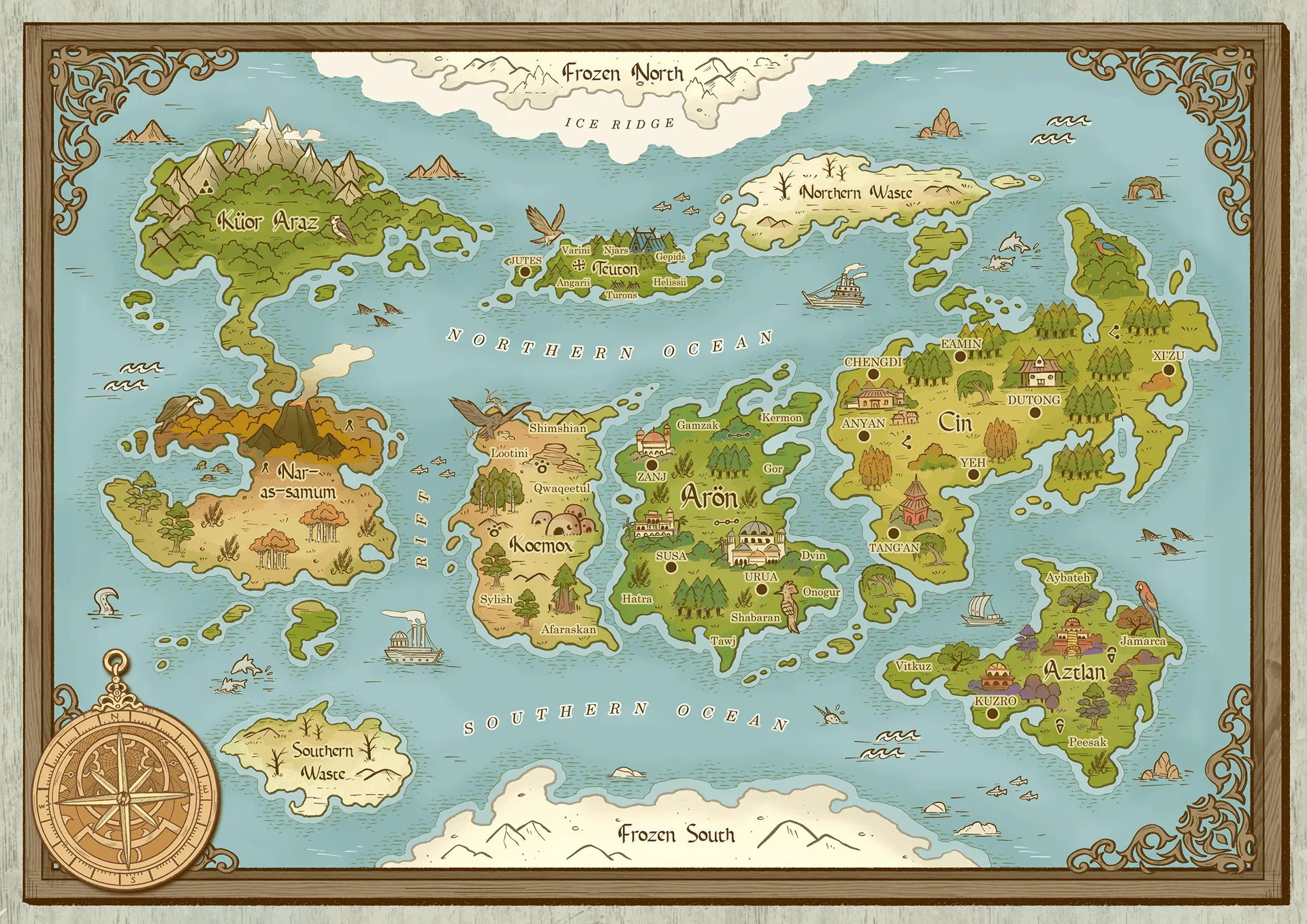
Sketch the physical world before filling it with borders. Where are the rivers, coastlines, deserts, forests and mountain passes? Which routes are easy to travel, and which become dangerous in a particular season?
Then ask what those conditions mean for people. A mountain pass can shape trade and military strategy. A river might sustain a capital, or divide communities that tell different stories about their shared past. Geography becomes worldbuilding when it changes what characters can do.
2. Decide what the world believes about existence
Cosmology is not only a creation story. It includes what people think happens after death, whether life has a purpose, what counts as sacred, and how the unseen relates to the everyday.
You do not need to explain every answer at once. Instead, consider how different communities interpret the same mystery, and how those beliefs influence decisions. A cosmology becomes part of the drama when it shapes what characters hope for, fear, protect or reject.
When drawing on religious traditions or spiritual ideas, approach them with care. In fantasy, such ideas can inspire reflection and story without becoming claims about religious doctrine.
3. Give power a source, a pathway and a place in society
A memorable power system needs more than spectacular effects. Define where power comes from, how people access it, what it can do and how its use affects others. Most importantly, decide how the society around it responds: who is trusted with it, who fears it, and who wants to control it?
The Kha in Tales of Khayaal provides a worked example. It flows from the Source, a divine energy, through the Isthmus. Those who wield Kha are called Conduits. Some abilities, such as Nourishing, Threading and Calming, can affect healing, movement and emotion. The distinction between Nurani and Dhulmi Conduits adds a moral dimension: are they using their abilities in service to the Creator, or corrupting that power?
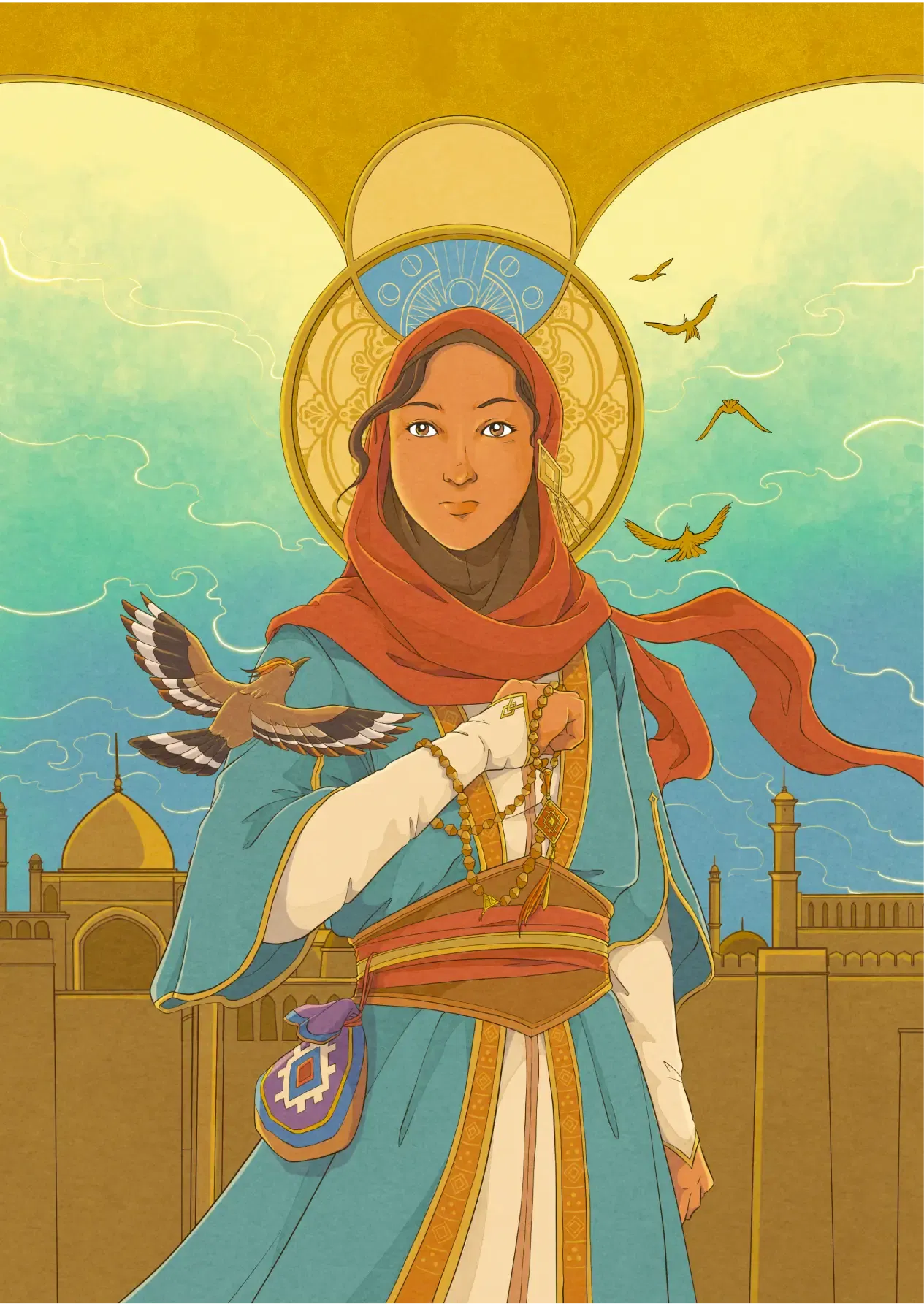
A strong system should also raise questions rather than settle them. What does responsibility look like when a person has extraordinary influence? When might a seemingly helpful ability become a way to dominate? The answers can reveal a world’s ethics as clearly as its history.
4. Build cultures through practices, not labels
A culture is not a costume or a list of traits. It is a living pattern of relationships, customs and change. Ask how people welcome guests, care for children, remember the dead, make a living, settle disputes, share food and mark important transitions.
Then make room for disagreement within each community. People may share a language or place while holding different beliefs, ambitions and memories. That inner variety keeps a culture from feeling like a single character.
For a practical exercise, choose one ordinary moment (a meal, a journey or a visit) and make it reveal several parts of society at once. Who serves whom? What is considered generous? What do people avoid discussing? A small scene can carry more life than a page of description.
5. Connect moral choices to the world’s systems
Your world’s moral layer is where its structures become personal. Who benefits from the status quo? Who bears its costs? What happens when a character tries to do good within a flawed institution?
This is where epic stakes can meet intimate ones. A coming war might test a character’s loyalty; a powerful gift might make a private act of care politically consequential. Make the alternatives genuinely difficult, and let choices have consequences.
Tales of Khayaal: one world, four narrative layers
The Khaverse is the fictional universe of Tales of Khayaal. Its planet is Ikleel, and Book One, Tales of Khayaal: Arön, takes place during the planet’s third epoch. The setting draws on Islamic cosmology and the metaphysical idea of khayaal, spiritual imagination, while telling a high-stakes fantasy adventure.
The story is built in four interwoven layers:
- Adventure: Alifa’s journey and the dangers facing her world.
- Allegory: The struggle between Nurani and Dhulmi Conduits.
- Moral dilemmas: The choices people make when power, duty and human need pull in different directions.
- Spiritual meaning: Questions of purpose, stewardship and the relationship between the visible and unseen.
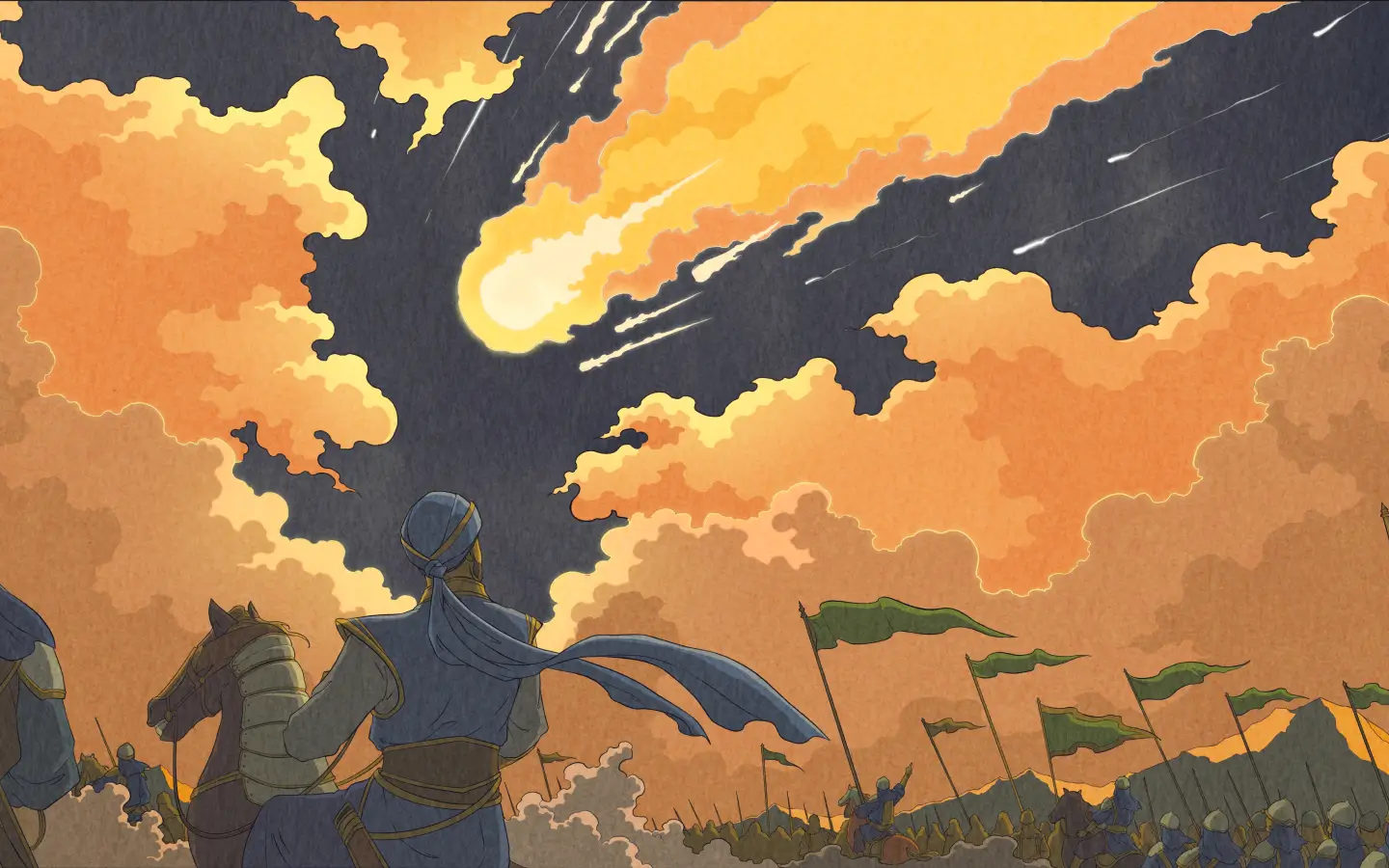
As a comet heralds the Final Standing and the return of Mörtan, the Corroder of Hearts, those layers meet in the lives of the characters. Alifa becomes a Nurani Grand Conduit, but the title does not remove uncertainty or make every choice easy.
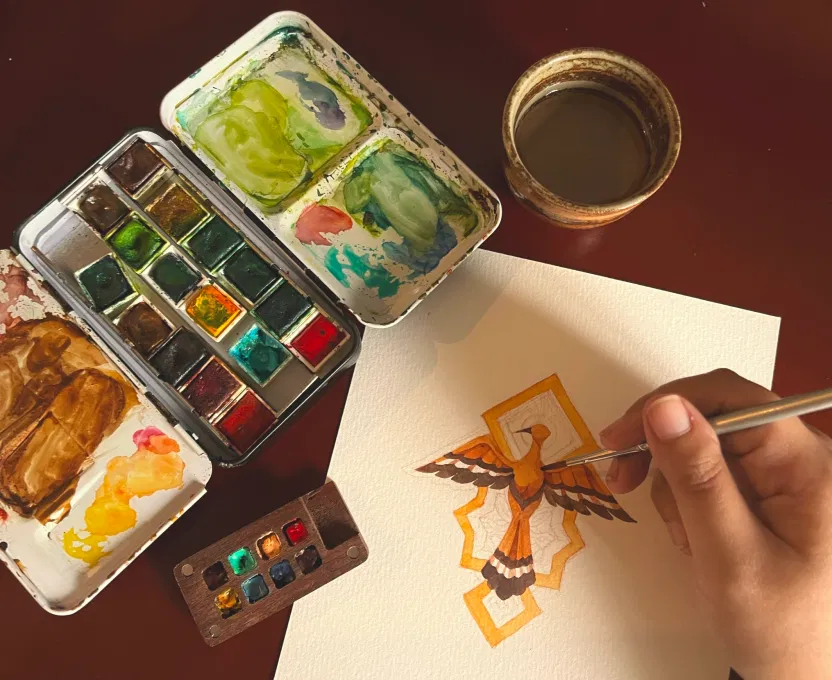
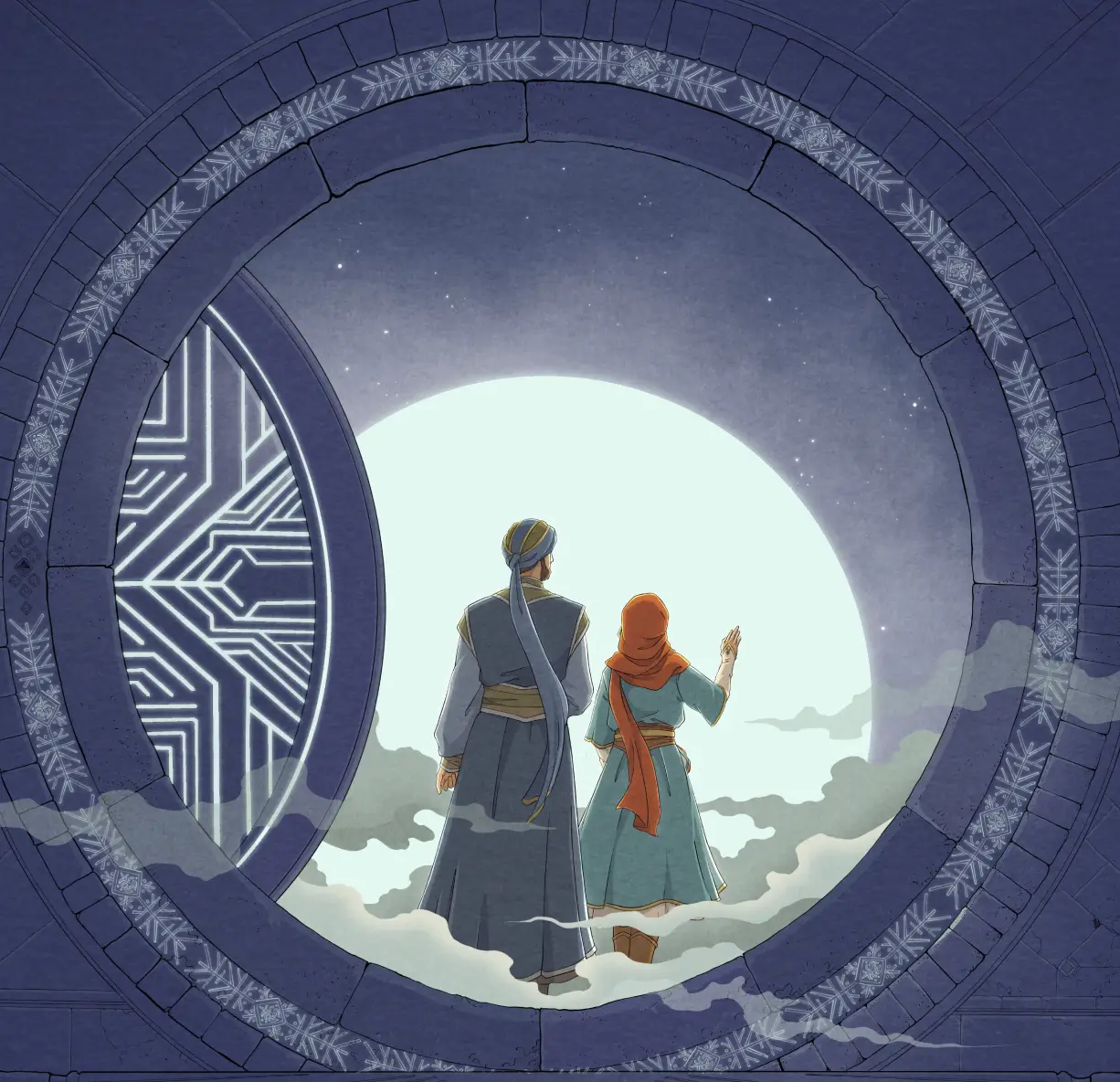
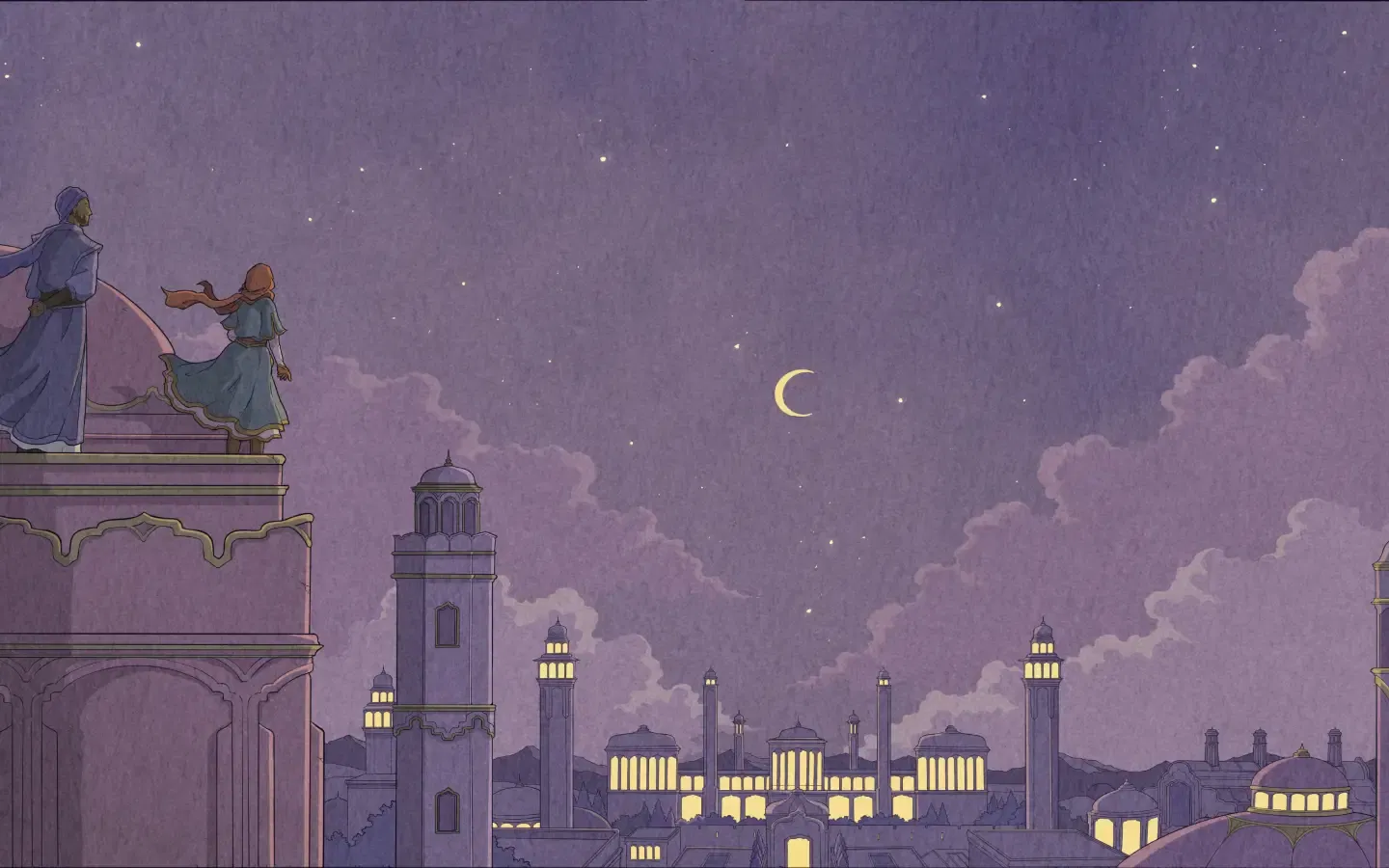
The art is another part of the worldbuilding. Tales of Khayaal’s illustrations are human-drawn, created to give Ikleel’s people and places a distinctive, tactile presence. For readers exploring fantasy shaped by Muslim cultures and spiritual themes, our guide to Islamic fantasy books offers a wider reading path. You can also browse our guide to the best fantasy audiobooks for a different way into immersive stories.
Tales of Khayaal: Arön is Book One, by co-creators Rehan Khan, writer and loremaster, and Peter Gould, designer. Tales of Khayaal: Cin, Book Two, is coming via crowdfund. A seven-book arc is planned; it is a vision for the story’s future, not seven completed books.
A simple worldbuilding check before you draft
Before writing a scene, ask:
- What feature of the world affects this moment? It might be the terrain, a custom, a belief or a power.
- Who experiences that feature differently? People may disagree about its meaning or have unequal access to it.
- What choice does it create? If the detail changes no behaviour, cost or decision, it may not need to be in the scene.
This keeps your notes connected to the story. The goal isn’t to explain everything; it’s to make each detail feel as if it belongs.
Step into Ikleel
Read the free sample chapters of Tales of Khayaal: Arön at khayaal.com/read. If you’d like to help bring Tales of Khayaal: Cin to readers, you can also support the Tales of Khayaal crowdfund, which ends 30 December 2026.
Frequently asked questions
What are the best books to study for fantasy worldbuilding?
Start with the kind of craft you want to examine: The Silmarillion for deep history, Dune for ecology and its social consequences, and Le Guin’s The Wave in the Mind for essays on writing and imagination. Read actively, asking how each world shapes its characters and story.
How do I start building a fantasy world?
Begin with geography and one defining pressure: a difficult climate, scarce resource, unusual cosmology or powerful institution. Trace how it affects daily life, culture and conflict, then build a character’s story around those consequences.
What makes worldbuilding feel believable?
Consistency and human detail. A world feels believable when its environment, beliefs, institutions and power systems influence people’s routines and choices, and when its inhabitants disagree about what their world means.

Join the Khayaal Circle
We invite you to join a growing community of like-hearted Khayaalis in the next phase of our journey. Sign up for exclusive updates, sneak peeks and join playtesting communities and become part of the community to receive meaningful updates.